
Blepharoplasty (Eyelid Surgery)
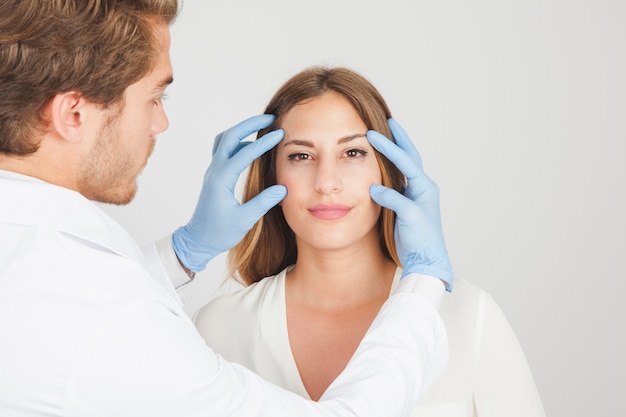
Create a requestEyelid aesthetics, commonly known as blepharoplasty, is a surgical procedure designed to enhance the appearance of the eyelids. It can be performed on the upper lids, lower lids, or both. The procedure aims to remove or reposition excess tissues, such as skin and fat, and to reinforce surrounding muscles and tendons, improving the eye area aesthetically and functionally.
General
Blepharoplasty is tailored to the individual's needs, addressing issues like droopy eyelids that may impair vision, and removing excess skin that creates folds or disturbs the natural contour of the upper eyelid. It can also target bags under the eyes, drooping lower eyelids, and excess skin and fine wrinkles of the lower eyelid. The procedure begins with an incision made along the natural lines of your eyelids, through which excess skin, muscle, and possibly fat are removed or repositioned before the incision is closed. The result is a more alert and youthful appearance, potentially enhancing vision impaired by sagging eyelids. The surgery usually takes place under local anesthesia with sedation or general anesthesia and can involve outpatient or short inpatient stays, depending on the extent of the surgery and the patient's overall health.
Special Details
Who is it for?
Individuals with droopy or sagging eyelids that affect vision
People seeking to improve the aesthetic appearance of their eyes by removing excess skin, fat, and wrinkles around the eyelids
Adults in good physical health, with realistic expectations about the outcomes of the surgery
Non-smokers, as smoking can complicate both the surgery and the healing process
Recovery Period
The procedure itself typically lasts one to three hours, depending on whether both upper and lower eyelids are being corrected.
Recovery time varies with most patients returning to normal activities after 10 to 14 days.
Complete healing and final results may take several weeks to months.
Potential Risks and Side Effects
Temporary blurred or double vision
Infection or bleeding
Swelling, bruising, irritation, or dry eyes
More severe risks include eyelid discoloration, inability to close eyes fully, and, very rarely, loss of vision
Alternative Treatments
Non-surgical cosmetic treatments like Botox or filler injections to lift the eyelid or reduce under-eye bags
Laser resurfacing to tighten skin and improve skin texture
Fat grafting or transfer procedures
Thermage or Ultherapy for non-surgical skin tightening
Success Rate
The majority of patients who undergo eyelid aesthetics experience successful outcomes, with reports suggesting over a 90% satisfaction rate. Long-term complications are uncommon, but results may vary based on individual factors.
Procedure step-by-step overivew
An initial consultation to evaluate vision, tear production, and discuss goals and expectations.
Application of local anesthesia with sedation or general anesthesia.
Incisions are made along the natural crease of the upper eyelid, inside the lower eyelid, or both, depending on the specific needs.
Excess skin, fat, and muscle are removed or repositioned according to the desired outcome.
The incisions are closed with sutures or skin glue.
After a short period of monitoring, the patient is released to recover at home.
Prices
Turkey
2000-3000 USD
Czech Republic
1500-2500 EUR
Croatia
1500-2000 EUR
Lithuania
1200-2500 EUR
Poland
1500-2000 EUR
Germany
3500-5000 EUR
Switzerland
5000-7000 CHF
France
2500-4000 EUR
United Kingdom
4000-6000 GBP
United States
4000-7000 USD
Canada
3000-5000 CAD
Australia
4000-6000 AUD
Why Do Prices Vary?
The experience and reputation of the surgeon
Geographical location of the clinic or hospital
Whether the procedure is performed on the upper eyelids, lower eyelids, or both
The complexity of the surgery and the techniques used
Hospital or surgical facility fees
Additional costs for anesthesia, medication, and post-surgery garments
Related Blog Posts

Blepharoplasty Abroad 2026: Eyelid Surgery Costs, Recovery, and Safe Clinic Selection

NHS Costs from Medical Tourism Complications: What the 2026 Evidence Means for Patients

UK Medical Tourism Safety Guide 2026: Avoid Complications & Costly Aftercare

Quality and Trust in the New Era of Health Tourism: The Importance of International Accreditation

AI and Telemedicine: Pre-Treatment Digital Healthcare Processes Abroad

Holistic Health Tourism: The Perfect Harmony of Treatment, Recovery, and Vacation (Healthcation)

Emerging Health Tourism Destinations: Quality and Affordable Alternatives

The Role of Patient Navigators in Health Tourism: Eliminating the Language and Cultural Barriers

Combining Business Travel with Health Tourism (Bleisure & Healthcare)

Breast Aesthetics Tourism: Augmentation, Reduction, and Lifts Abroad
