
Quick Take
A 2026 UK evidence review found that complications after elective surgery abroad can cost the NHS anywhere from about GBP 1,000 to nearly GBP 20,000 per patient, with longer hospital stays and surgical treatment driving the highest costs. That matters to patients too, because it signals the real clinical burden of post-op complications and the gaps in follow-up care after returning home.
Why This Is Trending Now (UK and Europe Focus)
In early 2026, UK researchers and health bodies published a rapid evidence review on outward medical tourism (people traveling abroad for elective treatment). The review reported substantial costs to the NHS for managing complications once patients return to the UK. It also highlighted common complication patterns after bariatric and cosmetic procedures. Several UK public-health and professional bodies have renewed warnings about the safety risks of overseas surgery, especially when aftercare is unclear or poorly coordinated.
For UK and European patients considering treatment abroad, this marks a shift: the debate is no longer just about price differences, but about total risk, continuity of care, and who will handle complications if they arise.
What the 2026 Evidence Actually Says
The rapid review, led by Health Technology Wales with the Health and Care Research Wales Evidence Centre, found that complications from elective surgery abroad can cost the NHS between roughly GBP 1,058 and GBP 19,549 per patient, depending on the severity and length of hospital treatment required. The study synthesised evidence on outward medical tourism and concluded that the burden on the NHS is real and growing, particularly for post-op complications needing complex care.
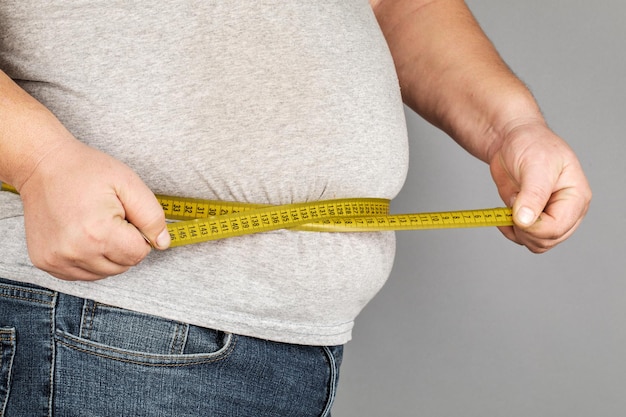
The review also noted that complications after weight-loss surgery abroad can involve abdominal pain, vomiting, malnutrition, and gastric leaks, all of which require urgent specialist management on return.
The Most Common Risk Patterns
- Bariatric surgery abroad: gastric leaks, dehydration, severe vomiting, nutritional deficiencies, and infections.
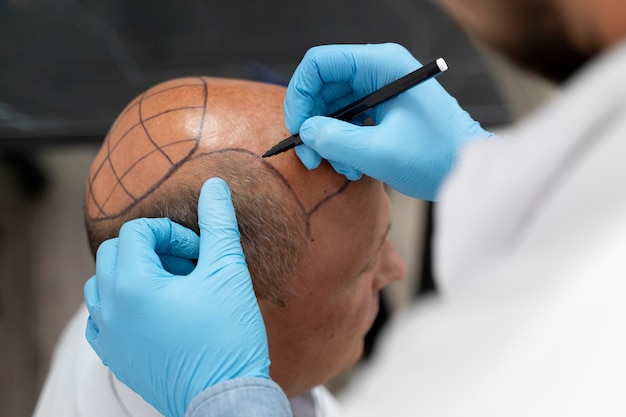
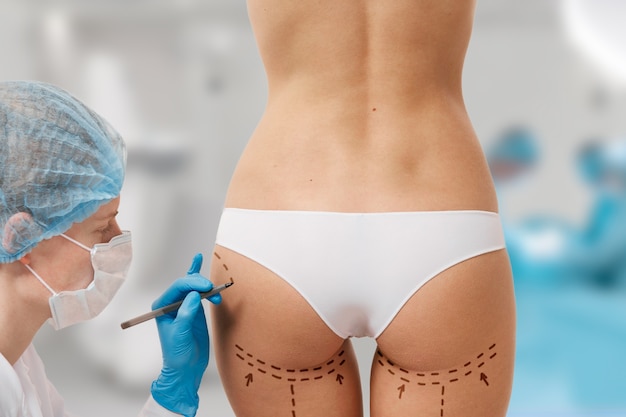
- Cosmetic procedures: wound infections, seromas, tissue necrosis, and blood clots.
- Dental tourism: poorly fitting restorations, infection, and inadequate follow-up.
Complications are not rare outliers. They are a predictable risk when surgery is combined with air travel, early discharge, and limited postoperative supervision.
Why Complications Are Harder to Fix After You Return Home
- Lack of operative notes and implant details.
- Limited or remote aftercare from the overseas surgeon.
- Variations in regulation and clinical standards.
- Travel-related risks such as DVT and pulmonary embolism.
Cost vs. Value: A Patient-Centered Reality Check
Lower prices abroad can be real, but they do not capture the full cost of complications. Patients should factor in:
- Insurance that explicitly covers elective surgery and complications.
- Extended recovery lodging to avoid flying too soon.
- Follow-up visits at home.
- Time away from work or caregiving.
Where Patients Most Often Underestimate Risk
- Flying earlier than medically advised.
- Assuming follow-up is more comprehensive than it is.
- Treating complications as unlikely rather than possible.
- Expecting seamless NHS takeover without documentation.
Safety Checklist for Medical Tourists in 2026
1) Clinic and Surgeon Verification
- Verify credentials through a national register.
- Ask annual case volumes for your procedure type.
- Confirm licensing and emergency protocols.
2) Written Aftercare Plan
- Demand written follow-up details before flying home.
- Clarify who manages complications after return.
- Secure operative notes and implant documentation.
3) Travel Timing and DVT Risk
- Avoid long-haul travel within the first week after major surgery unless cleared.
- Discuss DVT prevention measures.
- Book flexible travel arrangements.
4) Insurance Coverage
- Ensure your policy includes elective procedures and repatriation if needed.
5) Plan a Local Rescue Path
- Identify a local clinician for follow-up.
- Confirm your GP’s documentation requirements.
Questions to Ask Before You Book
- What is your complication rate and how is it measured?
- How many monitored nights are included?
- How many in-person post-op checks are provided?
- What is the revision or complication policy?
- Can you provide sample discharge documentation?
Recovery Timeline Planning
- Bariatric surgery: 10–14 days abroad minimum.
- Major body contouring: 10–21 days for safer wound monitoring.
- Dental implants: consider staged treatment and adjustment time.
If a clinic discourages a longer stay, consider that a red flag.
Destination Quality Signals
- National or international accreditation.
- Verified surgeon credentials and registry presence.
- Emergency readiness and ICU access if required.
Decision Framework: Simple Risk Score
Give yourself 1 point for each statement that applies:
- No written aftercare plan provided.
- Travel required within 7 days of surgery.
- No local clinician identified for follow-up.
- Insurance coverage unclear or excluded.
- Surgeon credentials not independently verifiable.
If you score 2 or more, reconsider the decision.
FAQ
Is medical tourism still safe in 2026?
It can be safe with verified providers, realistic recovery timelines, and structured aftercare. Risk rises when follow-up and documentation are limited.
Why is the NHS covering complications?
Emergency and follow-up care are typically provided once patients return home, which is why UK health bodies are emphasizing safer decision-making.
What procedures carry the highest risk?
Complex surgeries such as bariatric and major body-contouring procedures tend to carry higher complication risk when follow-up is limited.
Can I reduce risk by staying longer abroad?
Yes. Completing early post-op checks before travel can lower complication risk.
Should I share operative notes with my GP?
Yes. Provide full documentation, implant details, and post-op instructions to your local clinician as soon as possible.