
Orthodontics
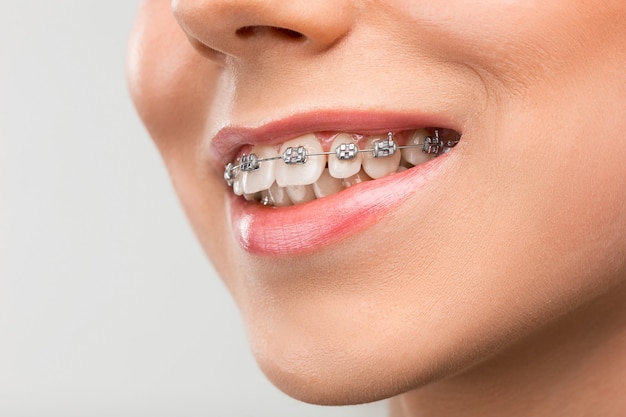
Create a requestOrthodontics is a dental specialty that involves correcting teeth and jaws that are positioned improperly. It aims to improve a person’s bite and promote overall oral health. Through the use of various dental devices, such as braces, retainers, and aligners, orthodontics helps in aligning teeth and jaws effectively.
General
Orthodontics is not solely about improving the aesthetics of one's smile; it plays a crucial role in enhancing oral function and health. Misaligned teeth can lead to difficulties in chewing, speech issues, and increased risk of tooth decay and gum disease due to challenges in maintaining proper oral hygiene. The process involves an initial assessment of the teeth and jaws, followed by a tailored treatment plan that addresses the specific misalignment issues. Depending on the severity of the misalignment and the treatment method chosen, the duration of orthodontic treatment can vary significantly from one individual to another. Modern advancements in orthodontic technology, such as Invisalign aligners, have made treatment options more comfortable and aesthetically pleasing than traditional metal braces.
Special Details
Who is it for?
Individuals with crooked or crowded teeth
People with bite issues (overbite, underbite, crossbite, open bite)
Patients with gaps between teeth
Individuals seeking to improve their oral health and aesthetics
Recovery Period
Treatments duration varies: braces (18-24 months), Invisalign (12-18 months).
Recovery as such isn’t required, but adjustment periods for each device.
Regular follow-ups are required to monitor progress and make adjustments.
Potential Risks and Side Effects
Temporary discomfort or pain after adjustments
Risk of tooth decay if oral hygiene isn’t maintained
Possible gum irritation or inflammation
In rare cases, root resorption (shortening) may occur
Alternative Treatments
Veneers for cosmetic correction
Dental bonding for minor irregularities
Surgery in severe misalignment or skeletal discrepancies cases
Removable appliances for minor adjustments
Success Rate
High success rate when patients follow treatment and maintenance guidelines closely.
Procedure step-by-step overivew
Initial consultation to assess need for orthodontic work
Comprehensive examination including x-rays and impressions of the teeth
Creating a customized treatment plan
Placing the orthodontic device (braces or aligners)
Regular check-ups and adjustments
Removal of orthodontic device once goals are achieved
Fitting for a retainer to maintain teeth positions
Prices
Turkey
$2,000 - $3,500
Czech Republic
$1,800 - $3,000
Croatia
$1,500 - $3,000
Lithuania
$1,500 - $3,000
Poland
$1,500 - $4,000
Germany
$3,000 - $8,000
Switzerland
$5,000 - $10,000
France
$3,000 - $8,000
United Kingdom
$3,000 - $6,000
United States
$5,000 - $10,000
Canada
$4,000 - $8,000
Australia
$5,000 - $8,000
Why Do Prices Vary?
Type of orthodontic device used (metal braces, ceramic braces, clear aligners)
Complexity of the individual's orthodontic needs
Duration of treatment
Geographical location and the orthodontist’s experience
Related Blog Posts

The "Turkey Teeth" Phenomenon: Social Media Myths vs. Digital Dentistry Reality

UK Medical Tourism Safety Guide 2026: Avoid Complications & Costly Aftercare

Quality and Trust in the New Era of Health Tourism: The Importance of International Accreditation

AI and Telemedicine: Pre-Treatment Digital Healthcare Processes Abroad

Emerging Health Tourism Destinations: Quality and Affordable Alternatives

The Role of Patient Navigators in Health Tourism: Eliminating the Language and Cultural Barriers

NHS Costs from Medical Tourism Complications: What the 2026 Evidence Means for Patients

Combining Business Travel with Health Tourism (Bleisure & Healthcare)
