
UK Liquid BBL Ban & Cosmetic Procedure Licensing: What Patients Need to Know (2026)
UK policymakers are turning up the heat on the unregulated cosmetic procedure market. A parliamentary report has urged an immediate ban on liquid Brazilian butt lifts (BBLs) and called for a licensing regime for lower-risk cosmetic treatments like fillers and Botox. For patients, this is more than a headline: it signals a pivot toward stricter safety standards that can reshape how, where, and with whom people pursue aesthetic procedures.
This guide explains the policy shift, why it matters for UK and international patients, and how to make safer, smarter choices whether you are considering treatment in the UK or abroad.
Quick Takeaways
- Liquid BBLs are now under serious scrutiny because they are high-risk and often performed by unqualified providers.
- A UK licensing system for non-surgical cosmetic procedures is on the table, aiming to set minimum standards and accountability.
- Patients traveling for procedures should expect tougher expectations for due diligence, aftercare, and insurance—especially when returning to the UK.
Why Liquid BBLs Are in the Spotlight
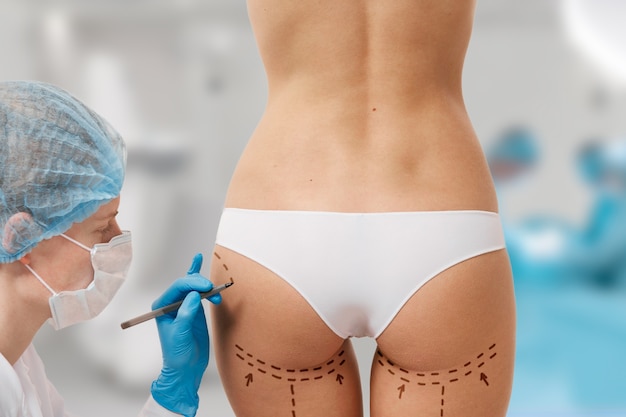
Liquid BBLs are not the same as surgical fat transfer. They use dermal fillers or other substances injected into the buttocks to increase volume. The risks are substantial: infection, vascular injury, embolism, tissue necrosis, and, in the worst cases, death. Unlike surgical BBLs performed in regulated surgical settings, liquid BBLs have frequently been offered in non-clinical environments and marketed aggressively on social media with “package deal” pricing.
Recent UK parliamentary scrutiny highlights how these procedures have taken place in unsafe locations, carried out by providers with little or no clinical training. The result has been a “wild west” market where patients bear the brunt of complications and the NHS must often manage the fallout.
What the Proposed UK Ban and Licensing Could Mean
The Women and Equalities Committee (WEC) has called for an immediate ban on liquid BBLs. At the same time, it recommends a licensing system for lower-risk non-surgical cosmetic procedures. This would likely include requirements such as:
- Minimum training and qualifications for providers
- Mandatory consent processes and complication disclosure
- Standardized infection control and clinical settings
- Clear aftercare requirements and accountability pathways
If implemented, the policy could create a clearer safety threshold for patients. It also aligns with broader UK initiatives to curb unsafe cosmetic practices and improve public health outcomes.
How This Affects Medical Tourism and Patient Decisions
A UK ban on liquid BBLs would not automatically stop patients from traveling abroad for the same procedure. But it does create new considerations:
- Higher scrutiny at home: Patients returning to the UK with complications may face more questions about provider credentials and aftercare arrangements.
- Documentation expectations: UK healthcare providers may increasingly expect operative notes, product documentation, and evidence of licensed care.
- Insurance and liability gaps: Many travel or medical complication policies exclude non-licensed providers, leaving patients financially exposed.
For clinics abroad, the trend suggests a competitive advantage for providers who can document medical oversight, credentialed staff, and robust post-op care. For patients, it raises the bar for due diligence.
Safer Alternatives Patients Are Considering
Because liquid BBLs are high-risk, many patients now look toward safer alternatives or staged approaches:
- Surgical fat transfer BBL with a certified surgeon in a regulated surgical facility
- Body contouring with a combination of liposuction and skin tightening rather than bulk augmentation
- Gluteal implants (still surgical and with risks, but typically under stricter clinical oversight)
- Non-surgical muscle enhancement programs that pair resistance training with clinician-guided nutrition plans
No option is risk-free, but the key is clinical oversight, safety infrastructure, and full transparency about outcomes.
The Patient Safety Checklist (UK and Abroad)
If you are evaluating any cosmetic procedure—especially one trending on social media—use a safety checklist that prioritizes verifiable facts:
- Provider credentials: Is the clinician a licensed medical professional? What is their specialty training?
- Clinic regulation: Is the clinic inspected or accredited by a recognized health authority?
- Procedure setting: Is the procedure performed in a sterile, clinical environment?
- Product transparency: What filler or device will be used, and is it approved in that jurisdiction?
- Aftercare plan: Who manages follow-up visits and complications? Is it written into your agreement?
- Emergency protocols: What happens if a complication occurs during the procedure?
For overseas care, add:
- Language support: Can you get your records and consent forms in English?
- Travel-fit timeline: Are you traveling too soon after the procedure?
- Insurance coverage: Does your travel insurance cover medical complications related to cosmetic procedures?
Red Flags and Marketing Tactics to Avoid
Liquid BBL providers often rely on urgency and social proof to drive bookings. Watch for warning signs that indicate poor clinical governance:
- “Limited-time” pricing for invasive procedures: Real medical care rarely uses flash-sale pricing.
- No written consent or cooling-off period: Ethical clinics provide time to review risks and ask questions.
- Vague product names: If a clinic cannot state the exact filler brand and batch documentation, walk away.
- No complication pathway: If the provider cannot describe who handles infection, embolism, or revision care, you are exposed.
If the clinic’s messaging feels more like a beauty salon than a medical provider, treat that as a signal to reassess.
Already Booked? How to Reassess Safely
If you have already paid a deposit or booked travel, pause and re-evaluate. Ask for written answers to key safety questions, including provider credentials, clinic inspection status, and emergency protocols. If the answers are incomplete or inconsistent, request a refund. Most patients would rather lose a deposit than risk long-term health consequences. Consider switching to a credentialed surgical consultation or a safer alternative that aligns with medical best practices.
UK-Based Care vs. Overseas Care: Tradeoffs to Weigh
Patients often compare UK care against overseas options based on cost and access. But the “true cost” includes more than the procedure price:
- Regulatory protection: UK providers are more likely to be regulated and held to clinical standards, though enforcement can vary.
- Access to aftercare: Local aftercare reduces travel stress and makes emergency care more straightforward.
- Total cost of complications: Revision procedures or hospital care can cost far more than any initial “savings.”
That said, high-quality overseas providers do exist. The difference is that patients must verify provider standards, clarify liability, and plan for continuity of care.
What Clinics and Facilitators Should Be Doing Now
If you operate a medical tourism service or clinic, this policy shift is a clear signal:
- Upgrade transparency: Publish credentialing, complication rates, and aftercare protocols.
- Strengthen medical oversight: Ensure procedures are led by qualified clinicians with documented training.
- Build UK coordination: Provide patients with a UK-based follow-up partner for safe post-op care.
For UK-based practices, aligning early with emerging licensing expectations can become a major trust differentiator.
FAQ
Is a liquid BBL the same as a surgical BBL?
No. A liquid BBL uses injectable fillers rather than your own fat. The risk profile is different and often higher because of the possibility of vascular injury and infection, especially when performed by unqualified providers.
Would a UK ban stop people from going abroad for liquid BBLs?
A UK ban would not prevent travel, but it signals that the procedure is high-risk and could change how UK clinicians approach aftercare, documentation, and patient counseling.
What should I ask a clinic before booking a cosmetic procedure abroad?
Ask about the clinician’s license, the facility’s accreditation, the exact product used, and the written aftercare plan. Request copies of qualifications and a clear pathway for emergency care.
Are all non-surgical cosmetic procedures unsafe?
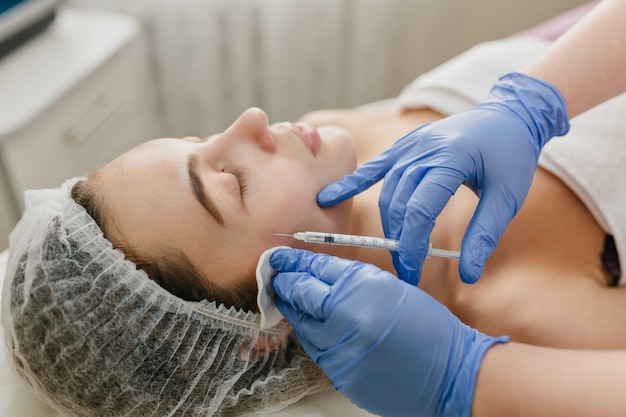
Not necessarily. Many non-surgical treatments are safe when performed by trained professionals in regulated settings. The concern is unlicensed providers and poor-quality environments.
How can I reduce the risk if I still want cosmetic treatment abroad?
Choose a clinic with verified credentials, demand a written care plan, allow enough recovery time before flying, and have a UK-based plan for follow-up in case complications arise.