
Why GLP-1 weight loss is changing demand for surgery abroad
Weight-loss medications such as GLP-1 receptor agonists have shifted the pace and profile of weight loss for many patients. When weight drops quickly, the skin often cannot tighten at the same speed, especially after years of weight fluctuation. Surgeons in the UK and US report that demand is rising for facelift and body contouring consultations linked to medication-driven weight loss, sometimes referred to in the media as “Ozempic face.” This demand is not only domestic; it is influencing medical tourism as patients look for shorter wait times and more predictable package pricing abroad.
For medical tourism providers, this shift means patients are arriving with a different set of needs than traditional bariatric surgery patients. They are often at lower BMIs, but still have localized laxity in the face, neck, abdomen, upper arms, and thighs. That creates a new planning challenge: combining procedures safely without overextending operating time, while still delivering the visible, confidence-restoring results that patients expect after significant weight loss.
The 2026 outlook from industry analysts and major news outlets shows that GLP-1 therapies are expanding in Europe and the US, with broader access and increased adoption. As these medications normalize, the “post-weight-loss” category will widen beyond classic bariatric pathways and include a growing wave of GLP-1 patients. For clinics and patients, the key is understanding safe timelines, procedure choices, and realistic outcomes.
The three most common post-weight-loss procedures patients ask for
Face and neck rejuvenation after rapid weight loss
Rapid volume loss in the midface can create hollows, jowls, and a more tired appearance. In the UK, demand for facelift consultations has risen, driven partly by social media normalization and the visible facial changes that can follow GLP-1 use. Some patients seek a surgical facelift, while others want a hybrid approach combining fat transfer, lower facelift, and neck tightening. The right approach depends on skin elasticity, age, and how much facial volume has been lost.
For medical tourism patients, the big decision is procedure scope. A limited lower facelift or neck lift may be enough for mild laxity. More advanced laxity often needs a deeper-plane facelift with neck tightening. The key is a surgeon-led plan and clear expectations about scarring, healing time, and the final “settled” look, which can take months.
Body contouring for loose skin (arms, abdomen, thighs)
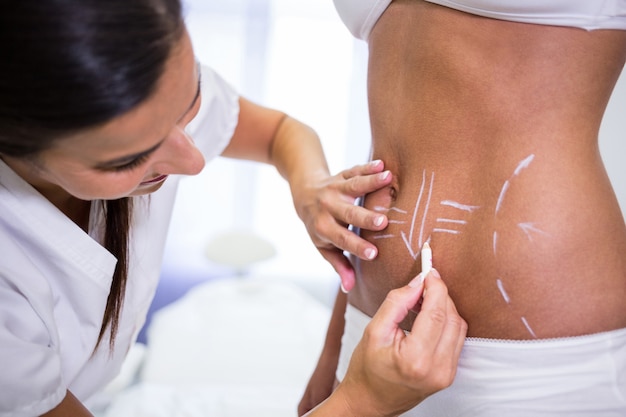
Loose skin around the abdomen, arms, and thighs is the most common concern after substantial weight loss. Typical procedures include abdominoplasty (tummy tuck), arm lift (brachioplasty), and thigh lift. The right sequence depends on what bothers the patient most and how long they can stay for recovery abroad.
Many clinics offer combined “360 body lift” packages, but patients should be cautious about long combined surgeries when traveling. A staged plan can be safer: for example, a tummy tuck and liposuction first, then arms and thighs later. Even if staged, traveling twice can still be more cost-effective than one domestic procedure in a high-cost market.
Breast reshaping after volume loss
Breast ptosis and volume loss are common after weight loss. For women, this often means a breast lift (mastopexy) with or without implants. For men, gynecomastia correction may include tissue removal and skin tightening. As with other procedures, the most important decision is balancing lift, size, and long-term shape stability.
When traveling, confirm what is included in the package: implant brand, lifetime warranty, revision policy, and whether a surgical bra is provided. If the plan includes fat transfer, ask about expected resorption and whether a second stage might be needed.
Timing matters: when to consider surgery after weight loss
The safest window for post-weight-loss surgery is usually after weight has stabilized. That often means maintaining a stable weight for 3 to 6 months. For GLP-1 patients, this can be tricky because medication dosing may change. Patients should avoid surgery during active, rapid weight loss unless medically advised, because continued weight reduction can undermine results and increase the risk of wound issues.
Another timing factor is nutrition. Rapid weight loss can cause protein and micronutrient deficits that affect healing. Ask your care team to check albumin, iron, vitamin D, and B12, and correct deficiencies before surgery. If you are on GLP-1 medication, clarify pre-op fasting and medication pause rules with both your prescribing clinician and your surgeon.
Medical tourism pathways for UK/US patients in 2026
Patients from the UK and US are increasingly choosing medical tourism for post-weight-loss procedures because of cost gaps and clinic availability. Popular destinations in Europe and nearby regions continue to market package pricing that bundles surgeon fees, anesthesia, hospital stay, and hotel.
- Surgeon-led care: Confirm that a qualified plastic surgeon performs the core procedure rather than delegating critical steps.
- Accredited facilities: Ask for proof of hospital or clinic accreditation and infection control standards.
- Post-op support: Verify who handles complications once you return home and whether your package includes remote follow-ups.
Safety checklist for post-weight-loss surgery abroad
- Medical clearance and full medication disclosure
- 3–6 months of stable weight
- Board-certified plastic surgeon
- Verifiable case volume
- Accredited operating facility
- VTE prevention protocol
- Written surgical plan
- Structured recovery plan
- Clear revision policy
- Travel medical insurance coverage
Costs, packages, and hidden fees to confirm
- Detailed invoice (surgeon, anesthesia, OR time, implants, medications)
- Hospital and hotel night breakdown
- Compression garments inclusion
- Pathology fees
- Additional lab or imaging costs
Recovery planning: travel, aftercare, and follow-up
Post-weight-loss surgery requires careful travel planning. Flying too soon can increase swelling and discomfort. Patients usually need at least a week in-country for checkups and dressing changes.
Plan for limited mobility, airport assistance, accessible accommodation, and coordinated follow-up at home. Confirm suture removal arrangements and remote communication channels with your surgeon.
FAQ
Is post-weight-loss surgery safe after GLP-1 medications?
Yes, if your weight is stable and your surgical team is aware of your medication plan.
How long should I wait after weight loss to get a body lift?
Most surgeons prefer 3 to 6 months of stable weight.
Can I combine a facelift and tummy tuck in one trip?
Combining procedures can reduce travel costs, but longer surgery increases risks.
Will I need revisions?
Some patients require minor revisions. Always confirm the clinic’s revision policy.
How do I choose a safe clinic abroad?
Prioritize surgeon credentials, accredited facilities, and structured aftercare plans.