
Catheter Insertion/Replacement at Home
Create a requestCatheter Insertion/Replacement at Home is a medical procedure that involves the placement or exchange of a catheter into the body from the comfort of one’s home. This procedure is often utilized for patients who require bladder management due to urinary retention or incontinence, enabling the direct drainage of urine from the bladder.
General
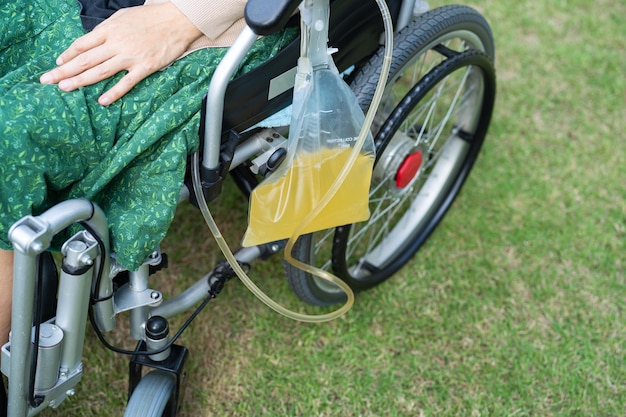
Catheter Insertion/Replacement at Home allows individuals to manage urinary functions when they are unable to do so naturally. This procedure involves inserting a thin, flexible tube through the urethra into the bladder to enable urine drainage. It is a critical care component for individuals with chronic conditions, mobility issues, or post-surgery recovery. The process, when done at home, is typically overseen by a healthcare professional or a trained caregiver to ensure cleanliness and minimize infection risk. Regular replacement is crucial to avoid blockages, bacterial infections, and ensuring the general health of the urinary tract.
Special Details
Who is it for?
Individuals with urinary retention unable to empty their bladder naturally.
Patients with severe urinary incontinence.
People with neurological disorders affecting bladder control.
Individuals recovering from surgery affecting bladder function.
Recovery Period
Minimal to no recovery time required; patients can resume most activities immediately.
Potential Risks and Side Effects
Urinary tract infections (UTIs)
Bladder spasms or discomfort
Possible injury to the urethra
Blockage or leakage from the catheter
Alternative Treatments
Intermittent catheterization
Suprapubic catheter
Urinary diversion surgeries
Medications for bladder control
Success Rate
High success rate in effectively managing urinary functions, though individual experiences may vary based on overall health and catheter care.
Procedure step-by-step overivew
Ensure all equipment, including the catheter and sterile gloves, is ready and within reach.
Wash hands thoroughly and wear sterile gloves.
Apply a sterile lubricant to the tip of the catheter.
Carefully insert the catheter through the urethra until urine begins to flow, then a little further to ensure it's properly positioned in the bladder.
Secure the catheter and attach it to the drainage bag.
Once urine flow stops or the bladder feels empty, carefully remove the catheter (if intermittent) or ensure the indwelling catheter is securely in place.
Dispose of the used catheter properly if it's for single use, or clean it if it's reusable.
Prices
Turkey
$50 - $100
Czech Republic
$80 - $150
Croatia
$70 - $120
Lithuania
$60 - $110
Poland
$75 - $130
Germany
$150 - $300
Switzerland
$200 - $350
France
$140 - $280
United Kingdom
$130 - $260
United States
$200 - $400
Canada
$180 - $360
Australia
$150 - $300
Why Do Prices Vary?
Type of catheter (single-use vs. reusable)
Brands and materials
Healthcare professional’s fees for home visit
Frequency of replacement or management
Insurance coverage
Related Blog Posts