
At-Home Blood Collection
Create a requestAt-home blood collection is a convenient and increasingly popular alternative to traditional blood drawing methods carried out in hospitals or clinics. This method involves a professional visiting the patient's home to collect a blood sample, or the patient collecting their own sample using a kit, for various diagnostic tests. This procedure is designed to enhance accessibility, reduce patient stress, and accommodate those with mobility or transportation challenges.
General
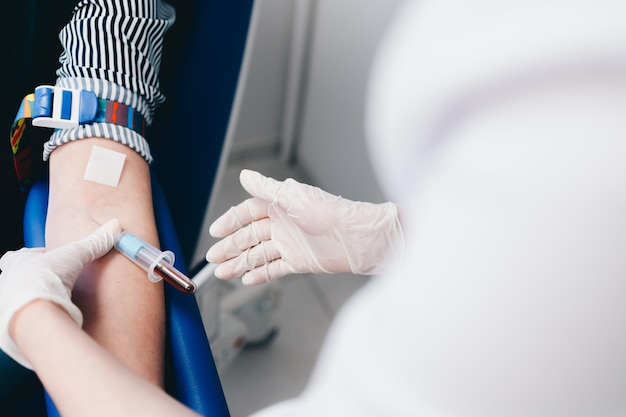
At-home blood collection is revolutionizing how patients engage with health diagnostic processes by bringing the laboratory right to their doorstep. Whether for routine checks, monitoring chronic conditions, or specific diagnostic purposes, this procedure eliminates the need for patients to travel to a medical facility. A trained healthcare professional typically performs the blood draw, ensuring the sample's integrity before it's sent off to a lab for analysis. Alternatively, self-collection kits enable patients to collect their blood sample using a finger-prick method. These samples are then mailed to a lab, maintaining a cold chain if necessary, to ensure their viability for testing.
Special Details
Who is it for?
Individuals with mobility issues or disabilities.
Patients requiring frequent blood tests for chronic conditions.
Those with busy schedules or limited access to medical facilities.
Individuals who experience anxiety or fear regarding traditional blood draw settings.
Recovery Period
The procedure itself takes a few minutes, with no significant recovery time.
Patients can resume normal activities immediately after sample collection.
Minor bruising or pain at the collection site may occur but typically resolves within a few days.
Potential Risks and Side Effects
Infection at the puncture site.
Bruising or minor bleeding.
In rare cases, fainting or dizziness.
Improper sample collection leading to inaccurate results.
Alternative Treatments
Traditional blood draw at a clinic or hospital.
Non-invasive testing methods for certain conditions (though these may have limitations).
Success Rate
Highly successful when performed by trained professionals or with accurate self-collection kits, with most tests yielding reliable results.
Procedure step-by-step overivew
Appointment is scheduled for the collection.
Healthcare professional arrives at the patient’s location with all necessary equipment (for professional collection) or patient receives a self-collection kit via mail.
Area of collection is cleaned and prepared.
Blood is drawn into collection vials (professional) or collected via finger prick into a tube (self-collection).
Sample is labeled, packaged, and sent to a laboratory for analysis.
Results are reported back to the patient or ordering physician.
Prices
Turkey
$20-$50
Czech Republic
$25-$60
Croatia
$25-$60
Lithuania
$20-$55
Poland
$25-$60
Germany
$35-$90
Switzerland
$40-$100
France
$30-$80
United Kingdom
$35-$85
United States
$40-$100
Canada
$30-$90
Australia
$35-$95
Why Do Prices Vary?
The type of test(s) being conducted.
Whether a professional collector is required.
Shipping and handling fees for the sample.
Geographical region and accessibility.
Related Blog Posts