
Migraine Botox
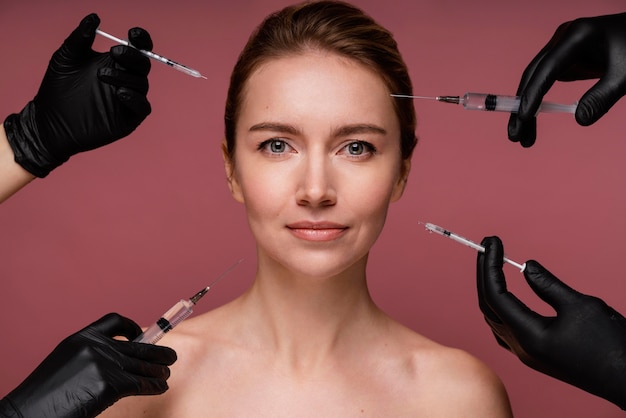
Create a requestMigraine Botox refers to the use of Botulinum toxin, commonly known as Botox, to prevent migraines in chronic migraine sufferers. This treatment is recommended for individuals who experience 15 or more headache days a month, each lasting 4 hours or more. It is a minimally invasive procedure that involves multiple injections around the head and neck to reduce future headache symptoms.
General
Migraine Botox is an FDA-approved treatment that aims to decrease the frequency and severity of migraine attacks. The procedure involves the injection of small amounts of Botox into specific areas around the head and neck. This is believed to work by blocking the transmission of pain signals to the brain and by relaxing the muscles that can contribute to the onset of migraines. Patients typically receive this treatment every 12 weeks to manage their symptoms effectively. Over time, many patients report a significant reduction in the number of migraine days and the intensity of migraine pain, leading to improved quality of life. The treatment is performed in a doctor's office and takes approximately 15-20 minutes. Patients can return to their normal activities immediately after the procedure, with minimal discomfort. The full effect of the treatment may take several weeks to become apparent, and continued treatment sessions are usually necessary to maintain the benefits. Some patients experience a marked improvement in their migraine symptoms after two to three treatment cycles.
Special Details
Who is it for?
Individuals diagnosed with chronic migraines, experiencing 15 or more headache days a month.
Patients who have not responded well to other migraine treatments or medications.
Those looking for a minimally invasive option to manage and prevent severe migraine attacks.
Recovery Period
Procedure time is usually 15-20 minutes.
Patients can resume normal activities immediately after the procedure.
The full effect takes 2-4 weeks to manifest.
Follow-up treatments are required every 12 weeks to maintain efficacy.
Potential Risks and Side Effects
Temporary neck pain or headache.
Minor bruising or swelling at the injection sites.
Rarely, muscle weakness or eyelid drooping may occur.
Allergic reactions, although extremely rare, can happen.
Alternative Treatments
Oral medications such as beta-blockers, anti-seizure drugs, and antidepressants.
Lifestyle changes and nutritional supplements.
Acupuncture and physical therapy.
Occipital nerve stimulation and other neuromodulation therapies.
Success Rate
Studies suggest that about 70-80% of patients experience a noticeable reduction in the frequency and severity of migraine attacks after two to three treatment cycles.
Procedure step-by-step overivew
A consultation with a healthcare provider to discuss the patient's migraine history and treatment eligibility.
Application of a topical anesthetic to minimize discomfort.
Injection of Botox into predetermined sites around the head, neck, and shoulders.
Monitoring the patient for a short period for any immediate adverse reactions.
Scheduling the next treatment session 12 weeks later.
Prices
Turkey
$350-$500
Czech Republic
$200-$400
Croatia
$300-$500
Lithuania
$250-$450
Poland
$200-$400
Germany
$500-$700
Switzerland
$600-$850
France
$400-$600
United Kingdom
$450-$750
United States
$300-$600
Canada
$250-$500
Australia
$400-$600
Why Do Prices Vary?
The country in which the procedure is performed.
The experience and qualifications of the healthcare provider.
The number of Botox units required for the treatment.
Facility fees and whether the procedure is covered by insurance.
Related Blog Posts

Dermatology and Laser Treatments Abroad: From Acne Scars to Anti-Aging

The Ultimate Guide to Financing Your Health Tourism Journey: Costs, Insurance, and Hidden Value

Holistic Health Tourism: The Perfect Harmony of Treatment, Recovery, and Vacation (Healthcation)
