
Anti-Aging
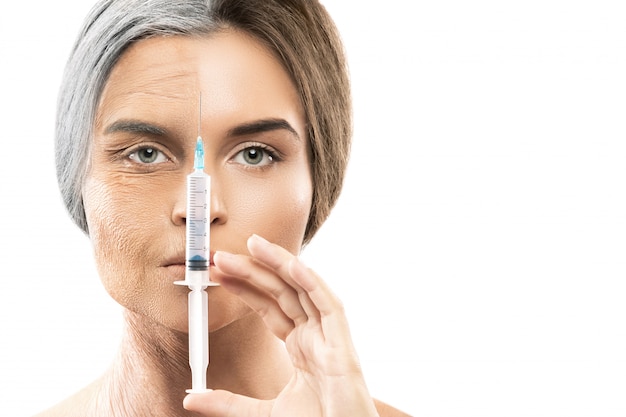
Create a requestAnti-aging procedures encompass a broad range of cosmetic and medical treatments aimed at reducing the visible signs of aging on the skin. These can range from non-invasive methods like creams and serums to more intensive approaches such as laser treatments, Botox injections, and surgical facelifts. The primary goal is to rejuvenate the skin and diminish wrinkles, fine lines, sagging, and other age-related changes.
General
Anti-aging treatments work by addressing the various factors that cause the skin to age, such as loss of skin elasticity, reduced collagen production, damage from UV radiation, and lifestyle factors. Non-invasive treatments can include topical applications that aim to moisturize the skin and promote cell turnover. More aggressive anti-aging methods involve dermatological procedures such as chemical peels, dermal fillers, or laser therapy, which work by removing the outer layers of damaged skin or stimulating the underlying tissues to promote collagen production and skin renewal. Surgical options, like facelifts or eyelid surgery, aim to remove excess skin and reposition remaining tissues for a more youthful appearance.
Special Details
Who is it for?
Individuals starting to notice visible signs of aging on their skin, such as wrinkles, fine lines, and sagging.
People looking for preventative measures to slow down the aging process.
Those seeking to reverse the effects of sun damage and lifestyle factors on their skin.
Individuals who are in good health and have realistic expectations about what can be achieved with anti-aging treatments.
Recovery Period
Recovery time varies widely depending on the procedure: non-invasive treatments may require no downtime, while surgical procedures can take weeks.
Most non-invasive procedures allow for a return to daily activities immediately or within a few days.
Surgical procedures, such as facelifts, generally require a recovery period of 2 to 4 weeks, with full results visible after a few months.
Potential Risks and Side Effects
Non-invasive treatments have minimal risks, usually limited to temporary redness, swelling, or irritation.
Invasive procedures come with higher risks, such as infection, scarring, asymmetry, and, in rare cases, reactions to anesthesia.
Long-term side effects can include changes in skin sensation, dissatisfaction with results, and the need for revision surgeries.
Alternative Treatments
Lifestyle changes, including sun protection, a healthy diet, and regular exercise, which can naturally slow the aging process.
Over-the-counter skincare products, which can be used for milder signs of aging.
Traditional remedies and natural treatments, though these may have limited efficacy compared to medical treatments.
Success Rate
The success of anti-aging treatments varies widely by procedure and individual factors, but satisfaction rates are generally high, especially when patients have realistic expectations and choose experienced practitioners.
Procedure step-by-step overivew
Consultation with a dermatologist or plastic surgeon to discuss goals, options, and suitable treatments.
Selection of the appropriate anti-aging treatment(s) based on individual needs and conditions.
Pre-treatment instructions might include avoiding certain medications or direct sun exposure.
On the day of treatment, the procedure is performed. This could range from applying a topical treatment, undergoing a laser session, receiving injections, or having surgery.
Post-treatment care instructions are given, which may include skincare routines to maximize results and minimize complications.
Follow-up appointments to assess the results and decide on any further treatments if necessary.
Prices
Turkey
$1,000 - $4,000
Czech Republic
$1,200 - $4,500
Croatia
$1,000 - $4,200
Lithuania
$1,100 - $4,300
Poland
$1,100 - $4,000
Germany
$1,500 - $8,000
Switzerland
$2,000 - $12,000
France
$1,800 - $9,000
United Kingdom
$2,000 - $10,000
United States
$2,500 - $15,000
Canada
$2,000 - $14,000
Australia
$2,000 - $13,000
Why Do Prices Vary?
Type of procedure: Non-invasive treatments are generally less expensive than invasive surgeries.
Location of the clinic or hospital: Prices can vary widely depending on the country and city.
Experience of the practitioner: More experienced professionals tend to charge more for their services.
Required number of sessions: Some treatments require multiple sessions to achieve the desired effect, increasing the overall cost.
Type of technology or materials used: Some advanced technologies or high-quality materials can increase the cost.
Related Blog Posts

Jennifer Aniston & Hailey Bieber’s Energy Secret: Why Smart Travelers Are Flying for NAD+

Dermatology and Laser Treatments Abroad: From Acne Scars to Anti-Aging

Longevity and Preventive Health Tourism Trends

Combining Business Travel with Health Tourism (Bleisure & Healthcare)

The Ultimate Guide to Financing Your Health Tourism Journey: Costs, Insurance, and Hidden Value
