
Bartholin Cyst and Abscess Treatment
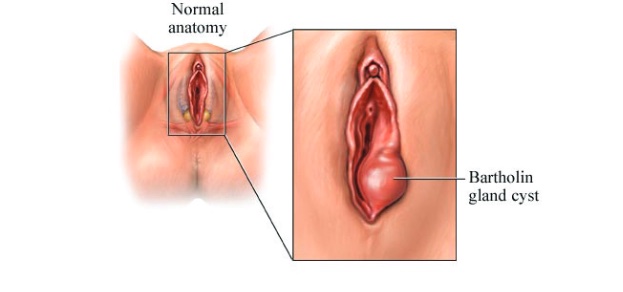
Create a requestBartholin Cyst and Abscess Treatment involves medical intervention to address issues with the Bartholin glands, which are located at either side of the vaginal opening. These glands are responsible for lubricating the vagina, but can sometimes become blocked, leading to the formation of a cyst or an abscess if infected. The treatment varies depending on the severity, ranging from sitz baths for small, symptomless cysts to surgical drainage for larger, painful abscesses.
General
The Bartholin glands play a crucial role in maintaining vaginal health by providing lubrication. However, when the ducts of these glands are blocked, it can result in the accumulation of fluid, forming a Bartholin cyst. If bacteria enter the cyst, it can lead to an infection, transforming the cyst into a painful abscess. Treatment aims to alleviate symptoms, drain the buildup, and prevent recurrence. This may include conservative home care methods, minimally invasive procedures, or surgical options in more severe cases. For persistent or recurrent Bartholin cysts and abscesses, more definitive treatments such as marsupialization may be recommended. This involves creating a permanent opening to the gland to prevent future blockages.
Special Details
Who is it for?
Women with noticeable, painful, or uncomfortable cysts or abscesses in the Bartholin glands.
Individuals who have recurring Bartholin gland infections.
Patients for whom conservative treatments (e.g., sitz baths, antibiotics) have failed.
Recovery Period
The recovery time varies depending on the treatment method. For minor procedures, recovery can be as short as a few days.
For surgical treatments like marsupialization, full recovery might take 2 to 4 weeks.
Patients are advised to avoid sexual intercourse and tampon use during the recovery period to prevent infection.
Potential Risks and Side Effects
Infection at the incision site.
Recurrence of the cyst or abscess.
Pain or discomfort during recovery.
Scar tissue formation.
Alternative Treatments
Sitz baths with warm water to ease symptoms in mild cases.
Antibiotics for infected cysts or abscesses not requiring surgical drainage.
Word catheter insertion for temporary drainage.
Silver nitrate application for smaller cysts.
Success Rate
Treatment success is high, with most patients experiencing relief from symptoms and a low rate of recurrence, especially after surgical interventions.
Procedure step-by-step overivew
Diagnosis is confirmed through a physical examination and possibly imaging tests if needed.
Local or general anesthesia is administered depending on the procedure's extent.
For drainage, a small incision is made over the abscess, and the pus is drained.
For marsupialization, a more significant incision is made, and the edges of the skin are stitched to the edges of the cyst to create a permanent opening.
In some cases, a small balloon catheter (Word catheter) is inserted to keep the new opening clear during healing.
The treated area is cleaned and dressed, and instructions for home care are provided.
Prices
Turkey
$500 - $1,500
Czech Republic
$600 - $1,800
Croatia
$550 - $1,700
Lithuania
$500 - $1,600
Poland
$550 - $1,800
Germany
$1,500 - $2,500
Switzerland
$2,000 - $4,000
France
$1,200 - $2,400
United Kingdom
$1,500 - $3,000
United States
$2,000 - $5,000
Canada
$1,800 - $4,000
Australia
$1,500 - $3,500
Why Do Prices Vary?
The complexity of the procedure and whether it involves surgical intervention.
The type of anesthesia used.
Hospital or clinic fees.
Geographical location and the healthcare system of the country.
Insurance coverage and out-of-pocket expenses.
Related Blog Posts
