
Temporomandibular Joint (TMJ) Treatment
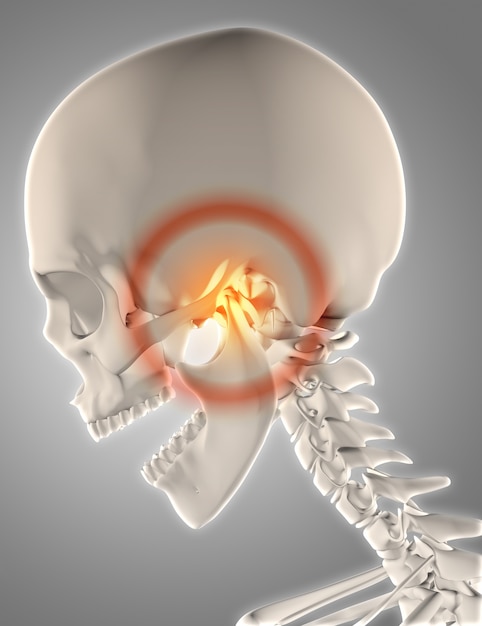
Create a requestTemporomandibular Joint (TMJ) Treatment refers to the therapeutic interventions aimed at addressing disorders of the TMJ, a pivotal joint that connects your jaw to the skull. This treatment encompasses a variety of methods tailored to relieve pain, improve function, and facilitate healing of the joint, providing relief for conditions that affect jaw movement and function.
General
TMJ disorders can cause discomfort and pain in your jaw joint and in the muscles that control jaw movement. The exact cause of a person's TMJ disorder is often difficult to determine. Your pain may be due to a combination of factors, like genetics, arthritis, or jaw injury. Some people who have jaw pain also tend to clench or grind their teeth, though many people habitually clench or grind their teeth and never develop TMJ disorders. TMJ treatment varies widely and includes simple self-care practices, dental appliances, medications, and in severe cases, surgical interventions. The goals of TMJ treatment are to alleviate pain, restore normal jaw function, and prevent the recurrence of symptoms.
Special Details
Who is it for?
Individuals experiencing pain or discomfort in the jaw, face, or neck
People who have difficulty opening or closing their mouth
Those who hear clicking, popping, or grating sounds in the jaw joint when opening or closing the mouth
Patients with a history of teeth grinding or clenching
Recovery Period
Non-invasive treatments like physical therapy and dental splints typically have no recovery time.
Invasive procedures such as surgery may require weeks to months of recovery.
Post-procedure care includes follow-up appointments, jaw exercises, and sometimes a soft food diet.
Potential Risks and Side Effects
Infection at the surgery site
Nerve damage, leading to a loss of sensation or movement
Joint damage
General risks associated with anesthesia and surgical procedures
Alternative Treatments
Physical therapy
Pain relievers and anti-inflammatory medications
Stress management and relaxation techniques
Dietary changes and avoiding hard foods
Success Rate
Success rates for TMJ treatment vary widely depending on the treatment approach and the severity of the disorder, but conservative treatments have high rates of patient satisfaction.
Procedure step-by-step overivew
Diagnosis: Comprehensive examination including medical history, physical examination, and imaging tests to confirm TMJ disorder.
Non-surgical treatment: Starting with least invasive treatments such as lifestyle changes, medications or dental splints.
Re-evaluation: Assessing the effectiveness of initial treatments and deciding whether more invasive procedures are needed.
Surgical intervention: For severe cases, options may include arthrocentesis, arthroscopy, or open joint surgery.
Recovery and follow-up: Post-procedure care and monitoring to ensure recovery and assess the necessity of additional treatments.
Prices
Turkey
$1,000 - $4,000
Czech Republic
$800 - $3,500
Croatia
$900 - $3,000
Lithuania
$1,000 - $3,500
Poland
$900 - $3,500
Germany
$1,500 - $5,000
Switzerland
$2,000 - $6,000
France
$1,800 - $5,500
United Kingdom
$2,000 - $6,000
United States
$2,000 - $6,500
Canada
$1,500 - $5,000
Australia
$1,800 - $5,500
Why Do Prices Vary?
Type of treatment (non-surgical vs. surgical)
Geographic location of the clinic or hospital
Experience and expertise of the medical professional
Cost of any specialized equipment or materials required