
Tattoo Removal
Create a requestTattoo removal is a medical procedure aimed at eliminating unwanted tattoos from the skin. This process has become increasingly efficient with the advent of laser technology, which can significantly fade or completely remove tattoos with minimal risk compared to previous methods.
General
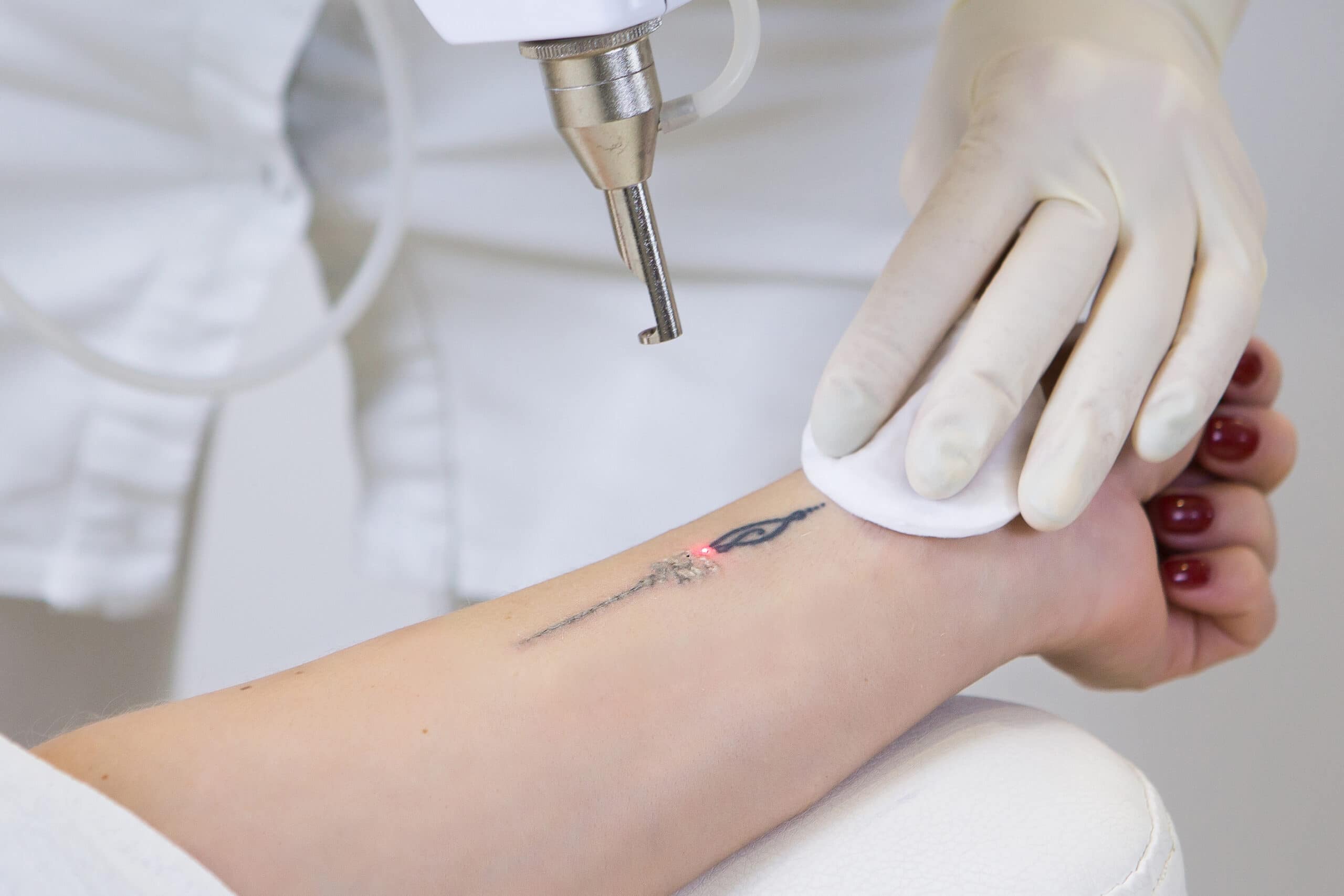
Tattoo removal is primarily performed using laser technology, which works by breaking down the tattoo ink particles in the skin, allowing the body's immune system to naturally flush them away. The specific type of laser used depends on the ink colors and the patient’s skin type. Different wavelengths of light target different ink colors, requiring multiple sessions to achieve the best results. The procedure's effectiveness varies based on factors like the tattoo's age, size, color, depth of ink penetration, and the patient’s skin type. Anesthesia or numbing cream may be used to minimize discomfort during the procedure, which is typically outpatient.
Special Details
Who is it for?
Individuals with regretted tattoos looking to remove them.
Anyone who has had allergic reactions or skin issues related to their tattoo.
People seeking to remove tattoos for professional reasons.
Candidates with light skin and dark tattoo ink typically see the best results.
Recovery Period
The procedure length varies, often taking multiple sessions spread weeks apart.
Recovery time after each session is typically a few days to two weeks for skin healing.
Complete recovery and final results may be visible after several months depending on the number of sessions.
Potential Risks and Side Effects
Skin discoloration, either hypopigmentation (lighter skin) or hyperpigmentation (darker skin).
Risk of infection at the treatment site.
Scarring, especially if aftercare instructions are not followed properly.
Incomplete removal of the tattoo, with some colors being particularly stubborn.
Alternative Treatments
Dermabrasion, which sands down the skin to remove surface and some deeper tattoo inks.
Surgical excision, where the tattooed skin is cut out and the remaining skin is sewn back together.
Cover-up tattoos, where a new tattoo is designed to cover the old one.
Success Rate
The success rate of complete removal varies, with black and dark blue inks having the highest success rates. Lighter colors, such as yellows, greens, and fluorescent inks, are more difficult to remove. Success also depends on the tattoo's age, size, and the body's response to the treatment.
Procedure step-by-step overivew
Initial consultation to assess the tattoo and discuss goals and expectations.
Application of a topical anesthetic or local anesthesia to minimize discomfort.
The appropriate laser setting is selected based on the tattoo ink color and skin type.
Short pulses of light are directed at the tattoo, breaking the ink into smaller particles.
After the procedure, an antibiotic ointment and a bandage are applied to protect the area.
A series of sessions scheduled weeks apart is typically needed for optimal results.
Prices
Turkey
$200-$500 per session
Czech Republic
$100-$400 per session
Croatia
$150-$350 per session
Lithuania
$120-$300 per session
Poland
$100-$300 per session
Germany
$200-$600 per session
Switzerland
$300-$800 per session
France
$250-$700 per session
United Kingdom
$200-$600 per session
United States
$200-$500 per session
Canada
$200-$500 per session
Australia
$250-$700 per session
Why Do Prices Vary?
The size and complexity of the tattoo.
The number of sessions required for satisfactory results.
The geographic location and prestige of the clinic.
Type of laser technology used.