
Root Canal Treatment
Create a requestRoot canal treatment, also known as endodontic therapy, is a dental procedure that removes the damaged or infected pulp from the inside of a tooth. This procedure can save and restore a tooth that might otherwise need to be removed. It is a common treatment for tooth pain caused by decay or injury.
General
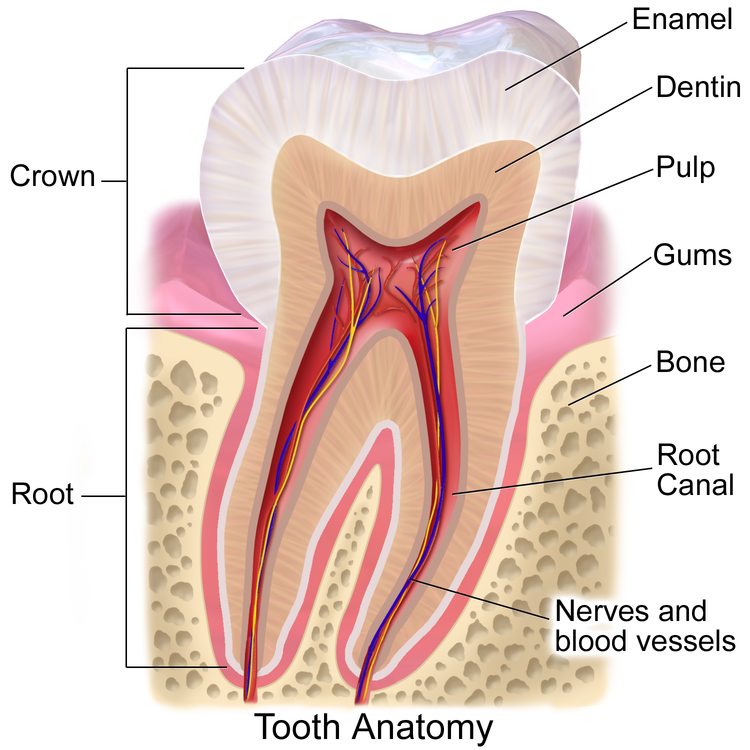
Root canal treatment involves the removal of the tooth's pulp, a small, thread-like tissue in the center of the tooth. Once the damaged, diseased or dead pulp is removed, the remaining space is cleaned, shaped and filled. This procedure seals off the root canal. Years ago, teeth with diseased or injured pulps were removed, but today, root canal treatment saves many teeth that would otherwise be lost. The most common causes of pulp damage are cracked teeth, a deep cavity, or an injury to the tooth. These factors can allow bacteria to enter the pulp, causing an infection that can kill the pulp. Without treatment, abscesses may form and the infection can spread, leading to tooth loss.
Special Details
Who is it for?
Individuals with infected or inflamed tooth pulp
People who experience pain from deep cavities or severe tooth decay
Individuals with teeth that have suffered significant trauma
Patients with abscesses or infections inside their tooth
Recovery Period
Procedure time varies, typically taking 1 to 2 hours
Recovery is generally quick, with most patients resuming normal activities the next day
Mild pain and sensitivity may be experienced for a few days after the procedure
Potential Risks and Side Effects
Tooth fracture
Post-procedure pain or infection
Failed initial treatment requiring retreatment or surgery
Alternative Treatments
Tooth extraction followed by the placement of a bridge, implant, or partial denture
Direct pulp capping (for less severe cases)
Success Rate
Root canal treatment has a high success rate of over 95%.
Procedure step-by-step overivew
Examination and X-ray of the tooth to diagnose the need for root canal therapy.
Administration of local anesthesia to numb the tooth and surrounding area.
Placement of a dental dam to isolate the tooth and keep it clean and free of saliva during the procedure.
Creating an opening in the crown of the tooth to access the pulp chamber.
Removing the infected or damaged pulp, cleaning the root canals, and shaping them for filling.
Filling the canals with a biocompatible material and sealing the tooth with a temporary filling.
Placing a permanent crown or filling on the tooth at a follow-up appointment to restore its full function.
Prices
Turkey
$200 - $400
Czech Republic
$300 - $600
Croatia
$250 - $500
Lithuania
$200 - $500
Poland
$250 - $400
Germany
$600 - $900
Switzerland
$800 - $1500
France
$400 - $700
United Kingdom
$700 - $1000
United States
$900 - $1500
Canada
$800 - $1200
Australia
$1000 - $2000
Why Do Prices Vary?
Geographic location of the dental clinic
Experience and expertise of the endodontist
Complexity of the tooth affected (molars are typically more expensive)
Need for additional procedures (such as crown placement)