
Prostate Cancer Treatment
Create a requestProstate cancer treatment encompasses a variety of procedures aimed at managing or eradicating prostate cancer. This can range from surgical removal of the tumor, radiation therapy, hormone therapy, to more advanced techniques such as cryotherapy or chemotherapy, depending on the stage and aggressiveness of the cancer.
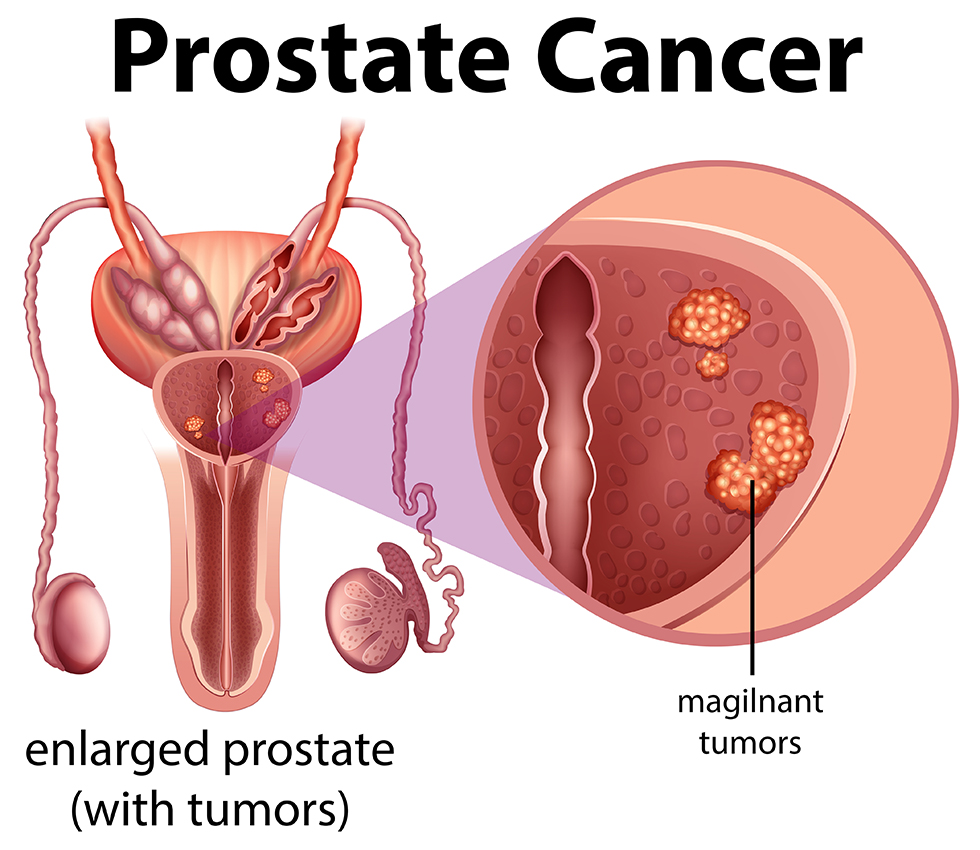
General
The choice of prostate cancer treatment is highly individualized, taking into account the stage of the cancer, the patient's age, overall health, and personal preferences. Surgery, such as radical prostatectomy, involves the removal of the prostate gland and is often recommended for localized cancer. Radiation therapy, which can be delivered externally or internally, aims to destroy cancer cells while minimizing damage to surrounding healthy tissue. Hormone therapy, also known as androgen deprivation therapy, seeks to reduce the body's production of testosterone, which can fuel the growth of prostate cancer cells. Advanced treatments like chemotherapy or immunotherapy are typically reserved for cancer that is more aggressive or has spread beyond the prostate.
Special Details
Who is it for?
Patients diagnosed with localized, advanced, or metastatic prostate cancer
Individuals seeking options after a recurrence following initial treatment
Those looking for treatments that balance effectiveness with quality of life considerations
Recovery Period
Surgery recovery typically takes 6-8 weeks, with potential use of a catheter for up to 2 weeks post-operation
Radiation therapy may require several weeks of treatment, with full recovery and side effect resolution varying by individual
Recovery and side effects from hormone therapy, chemotherapy, and other treatments vary widely and can last from months to ongoing management
Potential Risks and Side Effects
Surgical risks include infection, bleeding, and urinary incontinence
Radiation can cause bowel and urinary issues, as well as erectile dysfunction
Hormone therapy may lead to hot flashes, erectile dysfunction, and bone thinning
Chemotherapy and advanced treatments carry risks of significant side effects, including nausea, fatigue, and increased infection risk
Alternative Treatments
Active surveillance or watchful waiting for less aggressive cancers
Minimally invasive treatments like cryotherapy or high-intensity focused ultrasound (HIFU)
Participation in clinical trials for new and experimental treatments
Success Rate
Success rates vary significantly by treatment type and cancer stage, with localized prostate cancer treatments having high success rates of up to 90-95%, whereas advanced or metastatic cancer treatments have lower success rates and often focus on managing the disease.
Procedure step-by-step overivew
Diagnosis and staging through exams, imaging, and biopsies to determine the extent of cancer and appropriate treatment
Pre-treatment preparations, which may include adjusting medications and planning for recovery assistance
Surgical procedure for those undergoing surgery, including anesthesia, removal of the prostate, and post-operative recovery in the hospital
Radiation therapy involves multiple sessions over weeks, with precise targeting to minimize exposure to healthy tissue
Hormone therapy initiation, adjusting dosages as needed based on response and side effects
Follow-up appointments to monitor recovery, side effects, and the effectiveness of treatment
Prices
Turkey
$4,500 - $12,000
Czech Republic
$8,000 - $15,000
Croatia
$7,500 - $14,000
Lithuania
$6,000 - $12,000
Poland
$6,500 - $13,000
Germany
$15,000 - $25,000
Switzerland
$20,000 - $30,000
France
$12,000 - $20,000
United Kingdom
$10,000 - $20,000
United States
$15,000 - $55,000
Canada
$12,000 - $25,000
Australia
$10,000 - $20,000
Why Do Prices Vary?
Type of treatment (surgery, radiation, hormone therapy, etc.)
Geographical location and facility where the treatment is provided
Insurance coverage and out-of-pocket expenses
Additional costs for follow-up care, medication, and potential complications