
Lymphatic Drainage Massage
Create a requestLymphatic Drainage Massage is a gentle massage technique designed to stimulate the movement of lymph fluids around the body. This helps the body manage fluid balance, circulate proteins, and remove waste products. Typically used to treat lymphedema and swelling, it involves light, rhythmic strokes to encourage the natural drainage of the lymph.
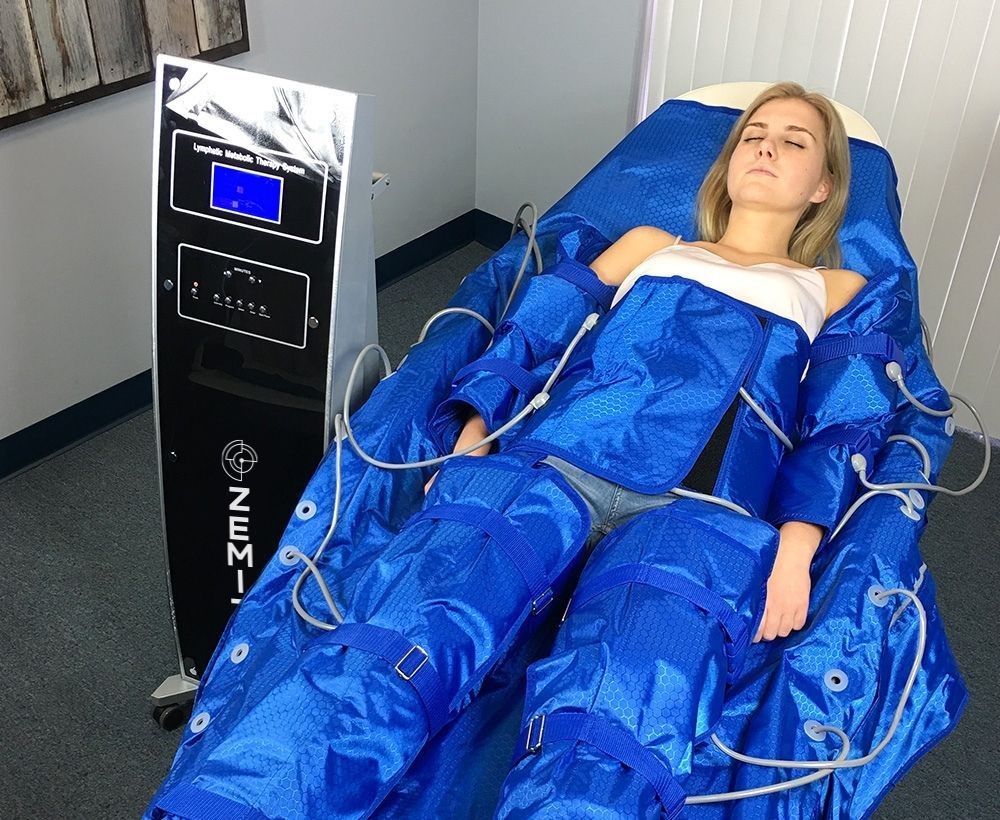
General
Lymphatic Drainage Massage (LDM) involves the application of light pressure and rhythmic circular movements to stimulate lymph flow. This technique targets the lymphatic system, a critical part of the immune system that is responsible for removing waste and toxins from bodily tissues and maintaining fluid balance. The massage aims to enhance the functioning of the lymphatic system, which can become sluggish due to illness, surgery, or other causes. By encouraging lymph to move towards the lymph nodes, this therapy can reduce swelling, detoxify the body, and promote healing. LDM has several therapeutic benefits, including relaxation, reduction in swelling, and prevention of lymphedema—a condition often seen in patients who have had lymph nodes removed during surgery.
Special Details
Who is it for?
Individuals recovering from surgery, especially those who have had lymph nodes removed.
People experiencing lymphedema or chronic swelling.
Those looking to detoxify their body and boost immune function.
Athletes seeking faster recovery from sports injuries.
Anyone aiming to relieve stress and promote relaxation.
Recovery Period
The procedure itself takes about 45 to 60 minutes per session.
No downtime is required; individuals can return to daily activities immediately.
Multiple sessions may be needed for optimal results, depending on the condition being treated.
Full recovery from the underlying conditions being treated (like lymphedema) will vary based on individual health.
Potential Risks and Side Effects
Minor skin irritation.
Allergic reaction to oils or lotions used during massage.
Temporary increase in swelling.
Rarely, infection if the technique is performed improperly.
Alternative Treatments
Compression garments.
Pneumatic compression therapy.
Manual lymph drainage (a different technique from lymphatic massage).
Laser therapy.
Surgical interventions for extreme cases.
Success Rate
Highly effective for reducing lymphedema symptoms and improving lymph flow, with many patients reporting significant improvement after a series of treatments.
Procedure step-by-step overivew
The patient is comfortably positioned on a massage table.
The therapist begins with light strokes on the surface of the skin near the lymph nodes, typically starting at the neck.
Gentle, rhythmic strokes are then applied throughout the body, following the natural direction of lymph flow toward the nearest group of lymph nodes.
Special attention is given to areas with frequent swelling or those that have been surgically altered.
The session concludes with soothing movements to encourage overall relaxation.
Prices
Turkey
$50-$100
Czech Republic
$60-$120
Croatia
$55-$110
Lithuania
$50-$100
Poland
$50-$90
Germany
$70-$150
Switzerland
$100-$200
France
$70-$140
United Kingdom
$75-$150
United States
$80-$200
Canada
$75-$150
Australia
$70-$130
Why Do Prices Vary?
The therapist's level of experience and certification.
Location and reputation of the clinic or spa offering the service.
Duration and number of sessions required.
Potential inclusion of additional wellness services.