
HoLEP Prostate Surgery
Create a requestHoLEP (Holmium Laser Enucleation of the Prostate) is a minimally invasive surgery used to treat an enlarged prostate, a condition known as Benign Prostatic Hyperplasia (BPH). It involves the use of a holmium laser to remove excess prostate tissue, relieving urinary symptoms.
General
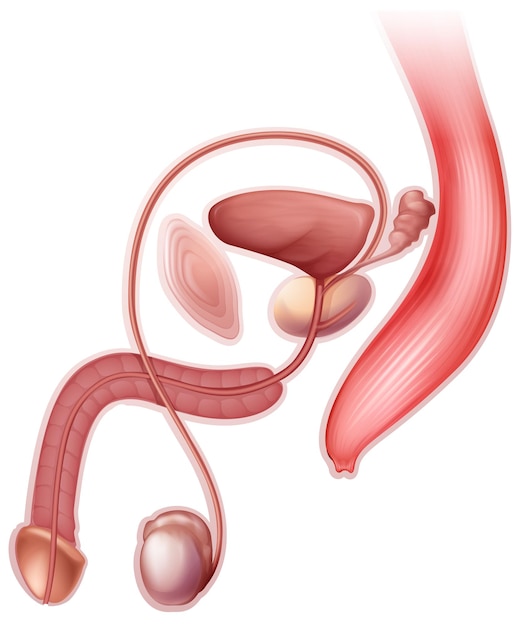
HoLEP is recognized for its effectiveness in treating BPH by removing excess prostate tissue without making any incisions in the skin. A scope is inserted through the urethra, and a laser is used to enucleate the prostate gland that blocks urine flow. The enucleated tissue is then removed through the scope. This advanced technique reduces bleeding and offers a shorter hospital stay and recovery period compared to traditional methods. Being suitable for prostates of all sizes, HoLEP is particularly beneficial for patients who are on anticoagulation therapy or have larger prostates, as it minimizes the risk of bleeding and other complications.
Special Details
Who is it for?
Patients suffering from moderate to severe urinary symptoms due to BPH.
Patients with larger prostates.
Individuals for whom medication has not provided relief.
Patients looking for a minimally invasive option with a quicker recovery time.
Recovery Period
The procedure typically takes 1-2 hours.
Hospital stay is usually less than 24 hours.
Most patients can resume normal activities within 1-2 weeks.
Full recovery and the maximum improvement of symptoms can be seen within 6 weeks.
Potential Risks and Side Effects
Temporary urinary incontinence.
Retrograde ejaculation.
Urinary tract infection (UTI).
Rarely, urethral stricture (narrowing) or bladder injury.
Alternative Treatments
Medication (alpha-blockers, 5-alpha reductase inhibitors).
Transurethral resection of the prostate (TURP).
UroLift.
Prostate artery embolization.
Open prostatectomy.
Success Rate
The success rate of HoLEP surgeries is high, with studies showing over 90% improvement in urinary symptoms and flow rates.
Procedure step-by-step overivew
Patient receives general or spinal anesthesia.
A cystoscope is inserted through the urethra to reach the prostate.
A holmium laser fiber, through the cystoscope, is used to enucleate the prostate tissue.
The enucleated tissue is morcellated inside the bladder and removed.
A catheter is placed to aid urine drainage post-surgery.
Patient is monitored for several hours before discharge.
Prices
Turkey
$3,000 - $5,000
Czech Republic
$4,000 - $6,000
Croatia
$4,500 - $6,500
Lithuania
$4,000 - $6,000
Poland
$3,500 - $5,500
Germany
$7,500 - $10,000
Switzerland
$10,000 - $15,000
France
$8,000 - $12,000
United Kingdom
$9,000 - $13,000
United States
$15,000 - $25,000
Canada
$8,000 - $12,000
Australia
$7,000 - $10,000
Why Do Prices Vary?
The experience and reputation of the surgeon.
Hospital or clinic facilities and the country in which it's performed.
Type of anesthesia used.
Duration of stay in the medical facility.
Additional treatments if required.