
Gastric Bypass
Create a requestGastric Bypass surgery is a weight-loss procedure that involves creating a small pouch from the stomach and connecting the newly formed pouch directly to the small intestine. This procedure significantly reduces the size of the stomach, limiting food intake and reducing the absorption of nutrients, leading to substantial weight loss.
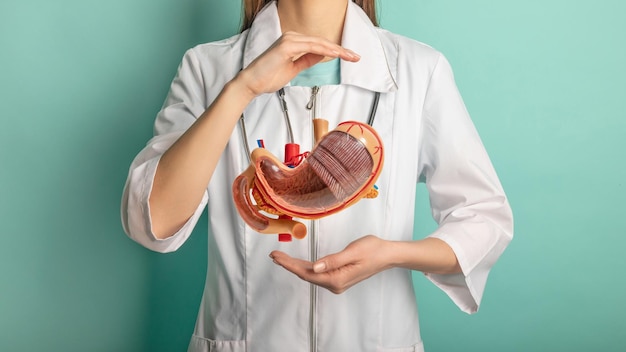
General
Gastric Bypass, or Roux-en-Y Gastric Bypass, is one of the most common types of bariatric surgery in the United States. The operation involves dividing the stomach into a small upper pouch and a much larger, remnant pouch and then rearranging the small intestine to connect to both. The smaller stomach pouch ensures that the patient feels full sooner and eats less, while the rerouted small intestine causes a reduction in calorie and nutrient absorption, contributing to weight loss. Unlike other weight-loss surgeries, the gastric bypass addresses both volume and absorption, which can lead to more significant results. Patients who undergo this procedure must adhere to a strict diet post-surgery and commit to lifestyle changes to ensure the success of the surgery and maintenance of weight loss.
Special Details
Who is it for?
Individuals with a Body Mass Index (BMI) of 40 or more
Individuals with a BMI of 35 or more and serious co-morbidities, such as Type 2 diabetes, high blood pressure, or severe sleep apnea
People who have attempted weight loss through diet and exercise with insufficient results
Recovery Period
Hospital stay typically lasts 2 to 3 days
Most people can return to work within 2 to 4 weeks
Full recovery and transition to a stabilized diet can take 2 to 3 months
Potential Risks and Side Effects
Nutrient deficiencies due to malabsorption
Surgical complications such as leaks or infections
Dumping syndrome, which can cause nausea, vomiting, and dizziness
Potential need for revision or reversal surgery
Alternative Treatments
Gastric Sleeve surgery
Adjustable Gastric Band
Diet and exercise plans with medical supervision
Medication for weight loss
Success Rate
Approximately 60 to 80% of excess weight loss can be expected within the first two years post-surgery, with significant improvement in obesity-related conditions.
Procedure step-by-step overivew
Anesthesia is administered to ensure the patient is asleep and pain-free during the procedure.
A small incision is made, or several small incisions if the procedure is done laparoscopically.
The surgeon creates a small pouch at the top of the stomach using surgical staples or a plastic band.
The small intestine is cut and attached to the new stomach pouch, bypassing the majority of the stomach and the first portion of the small intestine.
The cut part of the small intestine is reconnected further down so that the stomach acids and digestive enzymes from the bypassed stomach and first portion of the small intestine can eventually mix with the food.
The incisions are closed with sutures or surgical staples.
Prices
Turkey
$4,000
Czech Republic
$5,500
Croatia
$5,000
Lithuania
$5,200
Poland
$6,000
Germany
$15,000
Switzerland
$20,000
France
$12,000
United Kingdom
$10,000
United States
$23,000
Canada
$20,000
Australia
$16,000
Why Do Prices Vary?
The surgeon's experience and reputation
Hospital or clinic location and facilities
Type of anesthesia used
Length of hospital stay
Pre- and post-operative care
Geographical location