
Fibroid Treatment
Create a requestFibroid treatment refers to the various medical procedures used to manage fibroids, noncancerous growths in the uterus that can cause significant health issues such as heavy menstrual bleeding, pain, and infertility. The treatments range from medication to surgical interventions, tailored to the patient's symptoms and health goals.
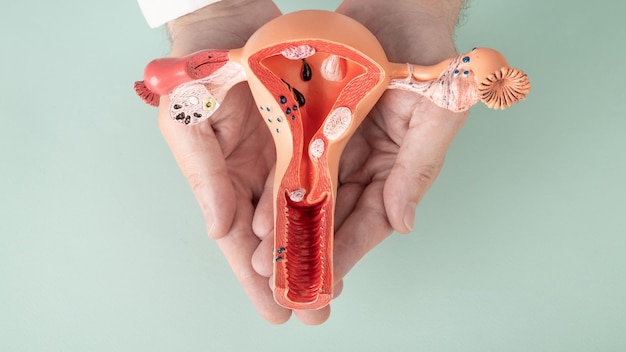
General
Fibroid treatment aims to alleviate symptoms such as pelvic pain, heavy menstrual periods, and reproductive problems. The approach to treatment can vary widely, depending on the size, location, and number of fibroids, as well as the patient's desire for future fertility. Medications may offer temporary relief from symptoms but do not remove fibroids. Surgical options include minimally invasive procedures, like uterine artery embolization (UAE) and laparoscopic myomectomy, as well as more invasive procedures such as hysterectomy, which is the removal of the uterus. The choice of treatment depends heavily on the individual’s specific condition and their reproductive goals.
Special Details
Who is it for?
Women experiencing symptoms from fibroids, including heavy menstrual bleeding, pelvic pain, and pressure.
Those who have fibroids impacting fertility.
Patients who prefer or require a non-hormonal treatment approach.
Women seeking relief from fibroid symptoms but wish to avoid a hysterectomy.
Recovery Period
The recovery time varies significantly depending on the treatment: medication has no recovery period, while surgical options can range from 1 to 6 weeks.
For minimally invasive procedures like UAE, recovery can be as quick as 1-2 weeks.
More extensive surgeries, such as hysterectomies, may require up to 6 weeks for full recovery.
Potential Risks and Side Effects
Surgical risks include infection, bleeding, and damage to surrounding organs.
Medication side effects can include hot flashes, mood swings, and vaginal dryness.
Recurrence of fibroids is possible after treatment.
Fertility may be affected, especially with certain surgeries.
Alternative Treatments
Lifestyle changes and pain management with NSAIDs for mild cases.
Hormonal treatments to shrink fibroids and manage symptoms.
MRI-guided focused ultrasound surgery (FUS) is a noninvasive technique to destroy fibroids.
Success Rate
Success rates vary by treatment type: UAE and myomectomy report up to an 85-90% reduction in symptoms, whereas hysterectomy, by removing the uterus, effectively eliminates future fibroid occurrence.
Procedure step-by-step overivew
Consultation and diagnosis: Involves imaging tests like ultrasound or MRI to confirm the presence and size of fibroids.
Choosing the best treatment approach based on symptoms, fibroid characteristics, and patient preferences.
Pre-treatment preparation, which may include medication to shrink fibroids before surgery.
Surgical or procedural intervention, following the selected method.
Post-treatment care, focusing on pain management and recovery, including follow-up visits to monitor for recurrence.
Prices
Turkey
$2,500 - $5,000
Czech Republic
$3,000 - $6,000
Croatia
$3,500 - $7,000
Lithuania
$3,000 - $6,000
Poland
$3,000 - $5,500
Germany
$5,000 - $10,000
Switzerland
$10,000 - $20,000
France
$4,500 - $9,000
United Kingdom
$4,000 - $8,000
United States
$8,000 - $15,000
Canada
$5,000 - $10,000
Australia
$6,000 - $12,000
Why Do Prices Vary?
Choice of treatment method (medication, surgical, or other procedures).
Hospital or clinic fees, which can vary significantly by location and facility type.
Surgeon or specialist's experience and fees.
Need for anesthesia and the type utilized.
Post-operative care requirements and any necessary follow-up treatments.