
Diagnosis and Treatment of Liver Cancer
Create a requestThe diagnosis and treatment of liver cancer involves a combination of tests and techniques to identify and manage cancerous cells within the liver. This multifaceted approach aims to assess the extent of cancer and to implement appropriate therapeutic interventions tailored to the patient's condition.
General
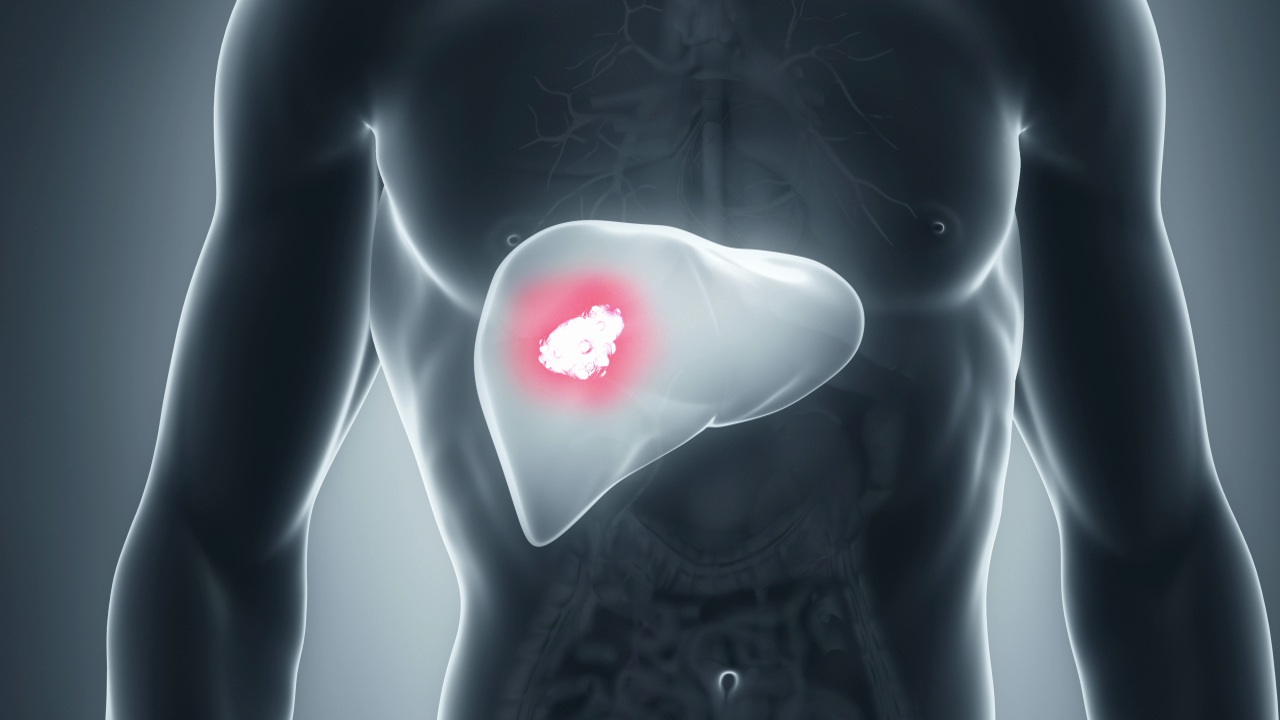
The process of diagnosing liver cancer typically starts with imaging tests such as ultrasound, CT scans, and MRI, to get a clear picture of the liver and the extent of cancer involvement. Blood tests, including those that look for tumor markers like alpha-fetoprotein (AFP), may also be used to support the diagnosis. A biopsy, where a small sample of liver tissue is removed for examination under a microscope, is often performed to confirm the presence of cancer cells. Following diagnosis, treatment options may include surgical resection, liver transplant, ablation therapies, radiation therapy, and targeted drug therapies, depending on the stage of the cancer, the overall health of the patient, and other individual factors. Advanced treatments like immunotherapy and targeted therapies are increasingly being used based on the genetic makeup of the tumors.
Special Details
Who is it for?
Patients diagnosed with primary or secondary liver cancer.
Individuals with liver tumors identified through screening, especially those at high risk due to conditions like hepatitis or cirrhosis.
Patients looking for treatment options after a recurrence of liver cancer.
Recovery Period
The recovery time varies widely depending on the treatment. Surgical procedures may require hospital stays of a week or more, with full recovery taking several months.
Non-surgical treatments like ablation or radiation might have shorter recovery times, but patients may need several sessions.
Ongoing monitoring for side effects and cancer recurrence is integral to the recovery process.
Potential Risks and Side Effects
Surgical risks include infection, bleeding, and complications from anesthesia.
Liver dysfunction or failure, especially in patients with pre-existing liver conditions.
Side effects from radiation or chemotherapy can include nausea, fatigue, and an increased risk of infections.
Alternative Treatments
Localized treatments such as radiofrequency ablation or cryoablation for small tumors.
Transarterial chemoembolization (TACE) or radioembolization for more localized control of tumor growth.
Clinical trials testing new drugs or treatment methods may be an option for some patients.
Success Rate
Success rates vary widely based on the cancer's stage at diagnosis, with localized treatments having better outcomes. Early-stage liver cancer has significantly higher survival rates compared to advanced liver cancer.
Procedure step-by-step overivew
Diagnosis involves imaging tests and blood work to identify and characterize the tumor, followed by a biopsy to confirm cancer.
Treatment planning considers the cancer's stage, liver function, and overall patient health, involving a multidisciplinary team.
Surgical or non-surgical treatments are implemented based on the plan, with some patients undergoing multiple types of therapy.
Post-treatment monitoring is crucial to detect recurrence or manage side effects, involving regular imaging and blood tests.
Prices
Turkey
$18,000 - $35,000
Czech Republic
$20,000 - $40,000
Croatia
$15,000 - $30,000
Lithuania
$12,000 - $25,000
Poland
$15,000 - $28,000
Germany
$30,000 - $65,000
Switzerland
$35,000 - $75,000
France
$28,000 - $55,000
United Kingdom
$25,000 - $50,000
United States
$50,000 - $100,000
Canada
$22,000 - $45,000
Australia
$20,000 - $45,000
Why Do Prices Vary?
The type and stage of liver cancer being treated.
The specific treatment modalities used (surgery, chemotherapy, targeted therapy, etc.).
Hospital and physician fees, which vary significantly by country and facility.
Insurance coverage and out-of-pocket expenses for the patient.