
Diagnosis And Treatment Of Glioblastoma
Create a requestGlioblastoma is an aggressive form of brain cancer that requires prompt and comprehensive treatment. This usually involves a combination of diagnostic imaging, surgical removal (when possible), chemotherapy, and radiation therapy to manage symptoms and prolong survival.
General
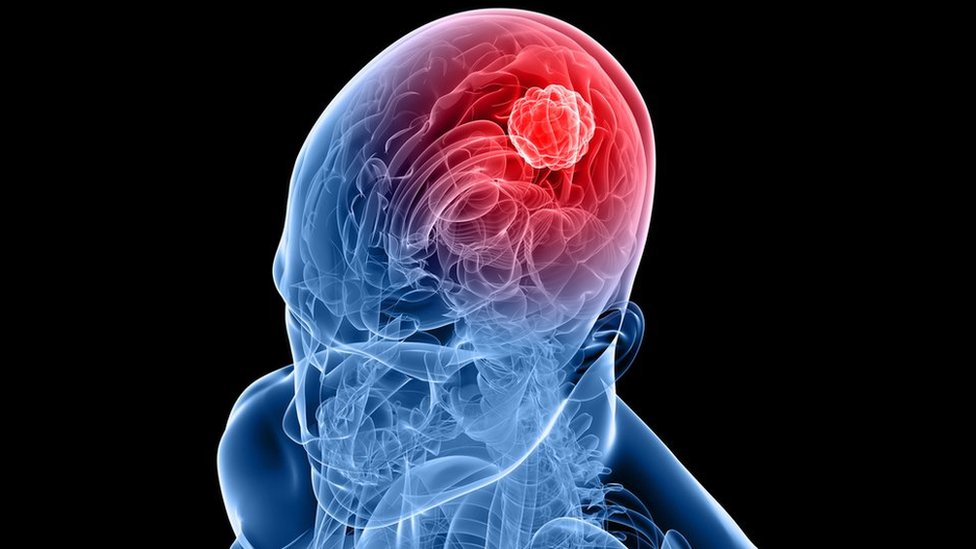
The diagnosis and treatment of glioblastoma are complex due to the tumor's highly aggressive nature and its location in the brain. Diagnosis often begins with magnetic resonance imaging (MRI) to identify the presence of a tumor, followed by a biopsy to confirm its malignancy and type. Treatment is multifaceted, aiming to remove as much of the tumor as physically safe, accompanied by radiotherapy and chemotherapy to target any remaining cancer cells. Advances in medical science have introduced targeted therapy and immunotherapy as part of treatment protocols, offering some patients personalized treatment options based on the genetic makeup of their tumor.
Special Details
Who is it for?
Individuals diagnosed with glioblastoma multiforme (GBM),
Patients experiencing symptoms such as persistent headaches, seizures, cognitive or personality changes, suggesting the presence of a brain tumor,
Patients for whom non-invasive treatments have failed or are not suitable.
Recovery Period
The recovery process varies greatly among individuals, depending on the extent of the surgery, and overall treatment plan.
Recovery from surgery typically requires several weeks, while radiation therapy and chemotherapy continue for several months.
Rehabilitation services such as physical, occupational, and speech therapy may be needed to manage long-term effects.
Potential Risks and Side Effects
Surgical risks include infection, bleeding, and neurological damage leading to cognitive or physical impairments.
Radiation therapy may cause fatigue, skin irritation, and potential cognitive effects.
Chemotherapy can lead to side effects like nausea, hair loss, and an increased risk of infections.
Alternative Treatments
Clinical trials offering experimental treatments,
Supportive care aimed at improving symptoms and quality of life,
Palliative care focusing on relief from symptoms and stress of the cancer.
Success Rate
The success of glioblastoma treatment varies, with median survival rates ranging from 12 to 18 months post-diagnosis, though some patients may live longer with comprehensive treatment.
Procedure step-by-step overivew
Diagnosis with MRI and possible biopsy to confirm the type of tumor,
Neurological evaluation to assess impact and plan surgery,
Surgical removal of the tumor to the safest extent possible,
Post-surgery recovery followed by a personalized treatment plan including chemotherapy and radiation,
Ongoing monitoring with MRI to assess treatment effectiveness and adjust as necessary.
Prices
Turkey
$15,000-$25,000
Czech Republic
$20,000-$30,000
Croatia
$20,000-$32,000
Lithuania
$18,000-$28,000
Poland
$20,000-$35,000
Germany
$30,000-$50,000
Switzerland
$35,000-$55,000
France
$28,000-$45,000
United Kingdom
$25,000-$40,000
United States
$70,000-$100,000
Canada
$55,000-$75,000
Australia
$50,000-$70,000
Why Do Prices Vary?
Complexity of the surgery and extent of tumor removal,
Length and type of chemotherapy and radiation therapy,
Hospital stay duration and associated care services,
Geographical location and healthcare facility reputation.