
Diagnosis and Treatment of Breast Cancer
Create a requestDiagnosis and treatment of breast cancer involve a comprehensive approach aimed at identifying and managing cancerous cells in the breast. The process starts with various diagnostic tests to confirm the presence of cancer, followed by a combination of treatments tailored to the individual's condition.
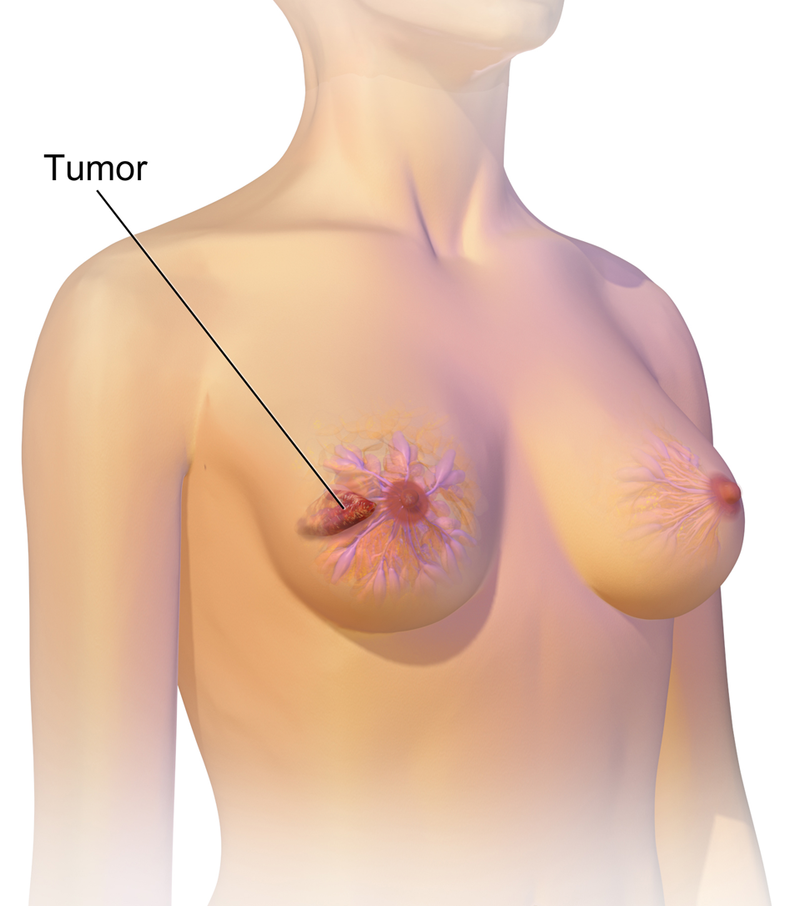
General
The diagnosis of breast cancer typically begins with screening methods such as mammograms, ultrasound, and MRI scans, which are designed to detect abnormalities in the breast tissue. If these initial screenings suggest the presence of cancer, further diagnostic tests like biopsies are performed to confirm the diagnosis. Once diagnosed, treatment options may include surgery (lumpectomy or mastectomy), radiation therapy, chemotherapy, hormone therapy, and targeted therapy among others. The choice of treatment is influenced by the stage and type of cancer, as well as the patient's overall health and personal preferences. A multidisciplinary team of healthcare professionals collaboratively determines the most appropriate treatment plan for each patient.
Special Details
Who is it for?
Individuals who have been diagnosed with breast cancer or are showing symptoms suggestive of the disease.
People with a family history of breast cancer who may be at higher risk.
Persons undergoing routine screening based on age or other risk factors.
Recovery Period
The procedure and recovery time vary greatly depending on the treatment approach. Surgery may require several weeks for initial recovery, while chemotherapy and radiation therapy schedules span several months.
Complete recovery and return to normal activities can vary from a few weeks to several months, influenced by the treatment type and the patient's overall health.
Potential Risks and Side Effects
Surgical treatments carry risks like infection, scarring, and changes in breast shape or sensation.
Chemotherapy and radiation therapy may cause side effects like nausea, fatigue, hair loss, and increased risk of other cancers.
Long-term hormone therapy can result in menopausal symptoms, osteoporosis, and heart complications.
Alternative Treatments
Preventive (prophylactic) mastectomy for individuals at high genetic risk.
Participation in clinical trials exploring new treatments.
Complementary therapies (e.g., acupuncture, massage) for symptom management, although not as replacements for standard treatments.
Success Rate
The success rate varies by cancer stage at diagnosis, with early-stage breast cancer having a 5-year survival rate of up to 99% in developed countries. Later stages have lower survival rates, emphasizing the importance of early detection.
Procedure step-by-step overivew
Initial screenings and diagnostic tests to detect abnormalities.
Confirmation of diagnosis through biopsies and possibly additional imaging.
Consultation with a multidisciplinary team to develop a personalized treatment plan.
Surgical procedure if required (either lumpectomy, where only the tumor and surrounding tissue are removed, or mastectomy, where the whole breast is removed).
Post-surgical treatments such as radiation, chemotherapy, hormone therapy, or targeted therapy, depending on the case.
Regular follow-up appointments for monitoring and managing potential side effects.
Prices
Turkey
$4,000 - $15,000
Czech Republic
$5,000 - $20,000
Croatia
$5,000 - $18,000
Lithuania
$4,500 - $15,000
Poland
$5,000 - $17,000
Germany
$8,000 - $25,000
Switzerland
$12,000 - $30,000
France
$9,000 - $22,000
United Kingdom
$10,000 - $25,000
United States
$15,000 - $100,000
Canada
$8,000 - $20,000
Australia
$10,000 - $30,000
Why Do Prices Vary?
Type and stage of cancer, influencing the complexity and length of treatment.
Choice of treatment facility and geographic location.
Insurance coverage and out-of-pocket expenses.
Need for additional treatments such as reconstruction surgery or targeted therapy.