
Diagnosis and Treatment of Bone Cancer
Create a requestBone cancer diagnosis and treatment involve identifying and managing malignant tumors within the bone. This critical process aims at eliminating cancer cells while preserving as much bone function as possible.
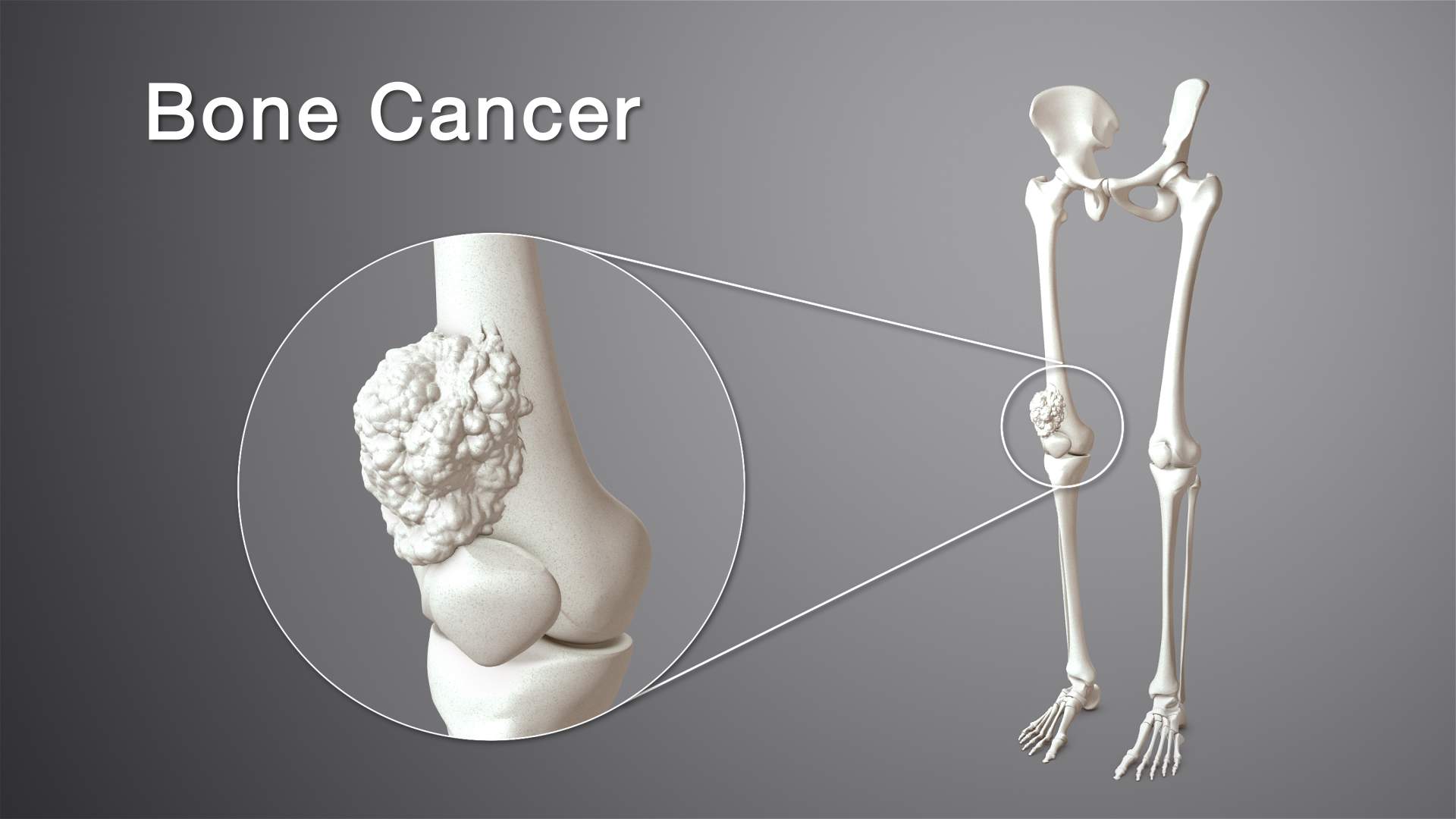
General
Diagnosis of bone cancer begins with a detailed personal and family medical history, followed by physical examinations. Diagnostic tools such as X-rays, MRI, CT scans, bone scans, and PET scans are employed to locate and confirm the presence of cancer. Biopsy procedures, where a sample of the bone tissue is extracted and examined, determine the type of bone cancer. Treatment varies based on the cancer type, stage, and location, incorporating surgery to remove tumors, chemotherapy, radiation therapy, and in some cases, targeted therapy. The goals are to eradicate cancer, minimize its spread, and maintain quality of life through limb-sparing surgeries and reconstructive techniques.
Special Details
Who is it for?
Individuals diagnosed with or showing symptoms indicative of bone cancer (pain, swelling, fractures).
People with a personal or family history of cancers, suggesting genetic predispositions.
Patients who have undergone previous cancer treatments that might predispose them to secondary bone cancers.
Recovery Period
The procedure time varies significantly, from a few hours for biopsies to several hours for extensive surgeries.
Recovery spans from weeks to months, influenced by the surgery's extent, overall health, and treatment type. Rehabilitation may be required for limb functionality restoration.
Potential Risks and Side Effects
Surgical risks include infection, bleeding, and reactions to anesthesia.
Potential long-term effects of radiation or chemotherapy, such as secondary cancers or heart problems.
Functional impairment or amputation, depending on tumor location and surgery extent.
Alternative Treatments
Non-surgical interventions like radiation therapy, chemotherapy, or targeted drug therapies for inoperable cases.
Clinical trials presenting new or experimental treatments.
Palliative care for symptoms management and improving quality of life.
Success Rate
The success rate varies widely based on the cancer's type, stage at diagnosis, and individual health conditions, but early detection and treatment significantly improve outcomes.
Procedure step-by-step overivew
Initial consultation and medical history review.
Conducting physical examinations and imaging tests to detect and locate tumors.
Performing a biopsy to confirm cancer type and guide treatment planning.
Designing a treatment plan based on cancer type, stage, and patient's overall health.
Executing the treatment plan, which may include surgery, chemotherapy, and/or radiation therapy.
Undergoing rehabilitation as needed for recovery and functionality restoration.
Regular follow-ups for monitoring recovery and detecting any signs of recurrence.
Prices
Turkey
$8,000 - $25,000
Czech Republic
$10,000 - $28,000
Croatia
$9,000 - $27,000
Lithuania
$10,000 - $30,000
Poland
$8,500 - $26,000
Germany
$15,000 - $35,000
Switzerland
$20,000 - $50,000
France
$18,000 - $40,000
United Kingdom
$12,000 - $35,000
United States
$30,000 - $100,000
Canada
$20,000 - $55,000
Australia
$15,000 - $45,000
Why Do Prices Vary?
The complexity and stage of the cancer, impacting the extent of needed treatments.
Choice of hospital and geographic location.
Surgeon's experience and qualifications.
Type and duration of treatments required, including surgery, chemotherapy, and radiation therapy.
Insurance coverage and national healthcare policies.