
Dental Veneer
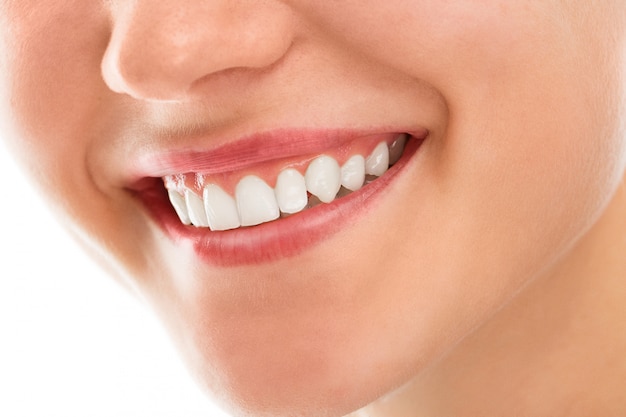
Create a requestDental veneers are thin, custom-made shells designed to cover the front surface of teeth to improve their appearance. These shells are bonded to the teeth changing their color, shape, size, or length.
General
Dental veneers can be made from porcelain or from resin composite materials. Porcelain veneers resist stains better than resin veneers and better mimic the light reflecting properties of natural teeth. You will need to discuss the best choice of veneer material for you with your dentist. The process of getting veneers typically involves three visits to the dentist - one for a consultation and two to make and apply the veneers. One tooth or many teeth can simultaneously undergo the veneering process.
Special Details
Who is it for?
People with teeth that are discolored due to root canal treatment, stains, large resin fillings or other causes.
Individuals with worn down, chipped, or broken teeth.
People with teeth that are misaligned, uneven, or irregularly shaped.
Individuals with gaps between their teeth who wish to close the space.
Recovery Period
The procedure usually requires two visits after the initial consultation and takes about two to three weeks for a complete recovery.
Patients can resume normal activities immediately after each procedure visit.
Full recovery from sensitivity or mild discomfort generally takes a few days to a couple of weeks.
Potential Risks and Side Effects
Teeth sensitivity to hot and cold because of enamel removal.
Though unlikely, veneers can dislodge and fall off. Avoiding hard foods and not using your teeth to open packaging can help prevent this.
The process cannot be undone once veneers are applied.
Alternative Treatments
Bonding and crowns are the main alternatives to dental veneers. While bonding is less durable and less permanent than veneers, crowns offer a full tooth covering but require more extensive tooth preparation.
Success Rate
Dental veneers typically have a success rate of over 95% over a 10-year period.
Procedure step-by-step overivew
Initial consultation to discuss the goals of the treatment, take x-rays, and impressions of your mouth and teeth.
Second visit involves removing about 0.5 millimeters of enamel from the tooth surface, which is roughly equal to the thickness of the veneer to be added. After the enamel is removed, another impression is taken and sent to the dental lab for creating the veneer.
The final visit typically happens a few weeks later when the veneers are ready. Before the dental veneer is permanently cemented to your tooth, your dentist will temporarily place it on your tooth to examine its fit and color. Adjustments can still be made at this stage. Once everything is deemed perfect, the tooth is cleaned, polished, and etched to allow for a strong bonding process. The veneer is then permanently cemented to the tooth and any excess bonding agent is removed.
Prices
Turkey
$250-$600
Czech Republic
$300-$800
Croatia
$250-$750
Lithuania
$300-$700
Poland
$280-$700
Germany
$800-$1200
Switzerland
$900-$2000
France
$700-$1000
United Kingdom
$650-$950
United States
$925-$2500
Canada
$800-$1500
Australia
$800-$2000
Why Do Prices Vary?
Material used (porcelain is often more expensive than composite resin).
The number of veneers being applied.
The complexity of the individual case.
Geographical location of the dental clinic.
Experience and reputation of the dentist.