
Dental Crown (Zirconia Veneers)
Create a requestZirconium veneers, also known as zirconia crowns, are a type of dental veneer made from zirconium dioxide, a highly durable and aesthetic material. This dental procedure is designed to improve the appearance, strength, and function of teeth that may be damaged, discolored, or misaligned.
General
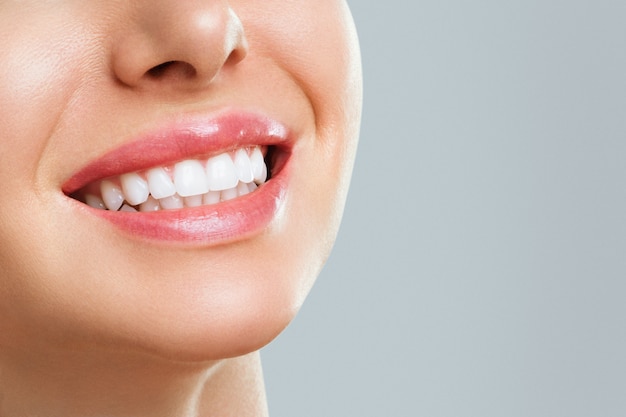
Zirconium veneers are favored for their ability to closely mimic the appearance of natural teeth, thanks to their translucency and color. This makes them an ideal choice for front tooth restoration where aesthetics are crucial. The procedure involves preparing the tooth, taking an impression, and fixing the custom-made zirconia crown onto the affected tooth. This not only enhances the tooth's appearance but also its durability, as zirconium oxide is known for its strength and resistance to wear and temperature changes. The fabrication of zirconium veneers is typically done with CAD/CAM technology, ensuring a precise fit and optimal results. The veneer is designed to cover the front surface of the tooth, masking any imperfections. Once bonded to the tooth, the zirconium veneer fully encases the visible portion, transforming its color, shape, size, and overall appearance. This procedure is minimally invasive compared to other restorative options and is known for its longevity and minimal need for tooth preparation.
Special Details
Who is it for?
Individuals with discolored or stained teeth that cannot be fixed with whitening.
People with chipped, broken, or slightly misaligned teeth.
Those looking for a durable and aesthetically pleasing solution to dental imperfections.
Patients seeking an alternative to porcelain veneers or dental crowns for cosmetic restoration.
Recovery Period
The procedure usually requires two visits to complete, with each visit lasting about 90 minutes.
Recovery is minimal, with most patients experiencing slight sensitivity for a few days after the procedure.
Normal oral activities can be resumed immediately, although caution is advised when eating hard or sticky foods in the days following the procedure.
Potential Risks and Side Effects
Though rare, risks include sensitivity to temperature, potential for gum irritation, or allergic reaction.
Improper fit or bonding could require readjustment or replacement.
Potential for zirconium veneer to chip or crack, though less likely compared to other materials.
Alternative Treatments
Porcelain veneers, offering a similar aesthetic but slightly less durability.
Composite bonding, a less expensive, but more temporary solution to cosmetic dental issues.
Dental crowns made of other materials like metal or porcelain-fused-to-metal, suitable for more extensive restoration.
Success Rate
Zirconium veneers have a high success rate, with properly cared for veneers lasting 10 to 15 years or more.
Procedure step-by-step overivew
Initial consultation to assess the suitability and design the treatment plan.
Preparation of the tooth, which may require slight reshaping and taking an impression.
Temporary veneer may be placed while the custom zirconium veneer is being made.
Fitting of the custom-made zirconium veneer and adjustments for perfect alignment.
Bonding the veneer to the tooth using a specialized dental adhesive.
Final adjustments and polishing to ensure a natural look and comfortable fit.
Prices
Turkey
$350-$500
Czech Republic
$400-$600
Croatia
$450-$650
Lithuania
$500-$700
Poland
$450-$650
Germany
$800-$1,200
Switzerland
$1,000-$1,500
France
$850-$1,100
United Kingdom
$900-$1,300
United States
$1,000-$2,500
Canada
$900-$2,200
Australia
$1,100-$2,000
Why Do Prices Vary?
Material costs, with zirconium being a premium material.
Technological processes involved, such as CAD/CAM fabrication.
The expertise and location of the dental clinic.
The number of veneers needed.
Additional dental treatments that may be required alongside the veneer placement.