
Closed Hysterectomy
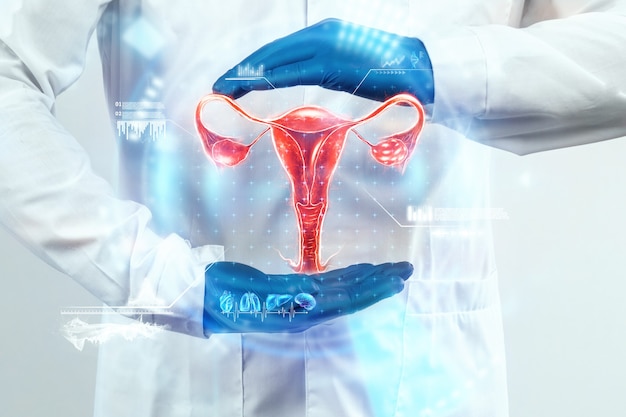
Create a requestA Closed Hysterectomy is a surgical procedure aimed at removing the uterus without making a large incision in the abdominal wall. It is typically performed via laparoscopy or vaginally, making it a less invasive option compared to traditional open hysterectomy. This procedure is often recommended for non-cancerous conditions such as fibroids, heavy menstrual bleeding, or uterine prolapse.
General
Closed Hysterectomy involves the removal of the uterus through small incisions made either in the abdomen (laparoscopic hysterectomy) or through the vagina (vaginal hysterectomy), depending on the specific circumstances and the patient’s condition. The laparoscopic approach involves the use of a camera and specialized instruments to perform the surgery through small incisions, offering the surgeon enhanced visualization and precision. This minimally invasive technique typically results in less pain, quicker recovery, and a lower risk of infection compared to the traditional open approach. Vaginal hysterectomy is performed entirely through the vaginal opening, eliminating the need for abdominal incisions, which further reduces recovery time and post-operative discomfort for the patient.
Special Details
Who is it for?
Women experiencing severe pain or heavy bleeding due to fibroids
Individuals with uterine prolapse
Patients with chronic pelvic pain linked to uterine conditions
Women who have completed childbearing and seek relief from menstrual complications
Recovery Period
Procedure time: 1-2 hours, depending on the approach and complexity
Hospital stay: 1-2 days for observation
Full recovery: Approximately 4-6 weeks for complete healing and return to normal activities
Potential Risks and Side Effects
Infection at the incision or inside the pelvis
Bleeding or formation of blood clots
Injury to surrounding organs such as the bladder or intestines
Anesthetic complications
Alternative Treatments
Medication for pain and hormonal control
Uterine artery embolization for fibroids
Endometrial ablation for abnormal bleeding
Laparoscopic myomectomy for fibroid removal without uterus removal
Success Rate
The success rate of closed hysterectomy is high, with over 90% of patients experiencing significant relief from their symptoms and improved quality of life post-surgery.
Procedure step-by-step overivew
Patient preparation, including anesthesia administration
Making small incisions in the abdomen for laparoscopy or preparing the vaginal area for the vaginal approach
Insertion of a camera and specialized surgical instruments through the incisions (for laparoscopy)
Detaching the uterus from surrounding ligaments, blood vessels, and, if necessary, ovaries and fallopian tubes
Removal of the uterus through the abdominal incisions (laparoscopy) or vaginal opening (vaginal)
Closure of incisions with stitches or surgical glue
Prices
Turkey
$3,000-$5,000
Czech Republic
$2,500-$4,500
Croatia
$2,500-$4,000
Lithuania
$2,000-$3,500
Poland
$2,500-$4,000
Germany
$5,500-$8,000
Switzerland
$10,000-$15,000
France
$6,000-$9,000
United Kingdom
$4,500-$7,000
United States
$15,000-$20,000
Canada
$8,000-$12,000
Australia
$6,000-$10,000
Why Do Prices Vary?
Type of procedure (laparoscopic vs. vaginal)
Hospital or surgical center fees
Surgeon’s experience and reputation
Geographic location of the surgery
Length of hospital stay and need for post-operative care
Insurance coverage and agreements