
Bone Marrow Transplant
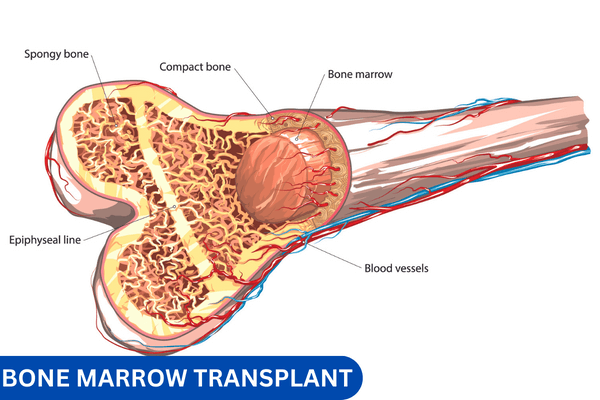
Create a requestA bone marrow transplant, also known as a stem cell transplant, is a medical procedure performed to replace damaged or destroyed bone marrow with healthy bone marrow stem cells. The procedure involves transplanting blood stem cells, which travel to the bone marrow where they produce new blood cells and promote growth of new marrow.
General
Bone marrow transplants are crucial for people with certain cancers or other diseases. The procedure's primary purpose is to infuse a patient with healthy stem cells to replace damaged or diseased bone marrow. Bone marrow is the soft, fatty tissue inside your bones that creates blood cells. The transplant allows the recipient's body to make enough white blood cells, platelets, or red blood cells to avoid infections, bleeding disorders, or anemia. There are two main types of bone marrow transplants: autologous, where the patient's own stem cells are used, and allogeneic, where the stem cells come from a donor. The choice depends on the specific health condition and availability of a compatible donor.
Special Details
Who is it for?
Patients with life-threatening blood cancers like leukemia, lymphoma, and myeloma.
Individuals with severe blood disorders such as aplastic anemia, thalassemia, and sickle cell anemia.
People who have undergone chemotherapy or radiation therapy that severely damaged bone marrow.
Recovery Period
The procedure usually requires a lengthy hospital stay, typically several weeks.
Full recovery and engraftment of the transplanted marrow can take several months to a year.
Patients may experience fatigue and must avoid exposure to infections during the recovery phase.
Potential Risks and Side Effects
Graft-versus-host disease (GVHD) in allogeneic transplants.
Infections due to weakened immune system.
Organ damage or failure.
Infertility or secondary cancers as long-term risks.
Alternative Treatments
Chemotherapy or radiation therapy as standalone treatments.
Immunotherapy or targeted therapy.
Blood transfusions or medication to stimulate bone marrow production.
Success Rate
Success rates vary significantly based on the patient's age, the type of disease, and overall health. Generally, 50-70% is the average success range for allogeneic transplants, while autologous transplants might have higher success rates.
Procedure step-by-step overivew
Pre-transplant evaluations and tests to determine the type of transplant and donor compatibility.
Preparative regimen: The patient undergoes chemotherapy and/or radiation to destroy diseased cells and prepare the body for new stem cells.
Transplant day: Healthy stem cells are infused into the patient's bloodstream.
Post-transplant care: Monitoring for complications like infections or GVHD, and supporting the patient's recovery through medications and blood transfusions as needed.
Prices
Turkey
$20,000 - $50,000
Czech Republic
$55,000 - $100,000
Croatia
Not widely available
Lithuania
Not widely available
Poland
$75,000 - $150,000
Germany
$150,000 - $250,000
Switzerland
$200,000 - $350,000
France
$150,000 - $300,000
United Kingdom
$100,000 - $150,000
United States
$350,000 - $800,000
Canada
$150,000 - $250,000
Australia
$100,000 - $250,000
Why Do Prices Vary?
Type of transplant (autologous vs. allogeneic)
Hospital and country where the procedure is performed
Length of hospital stay and post-transplant care requirements
Cost of donor search and compatibility testing (for allogeneic transplants)