Why hair transplant travel is rising
Hair restoration is one of the fastest-growing areas of aesthetic medicine. According to the International Society of Hair Restoration Surgery (ISHRS), the average number of hair restoration surgeries per member per month in 2024 was 15, and the average number of patients per member increased by 20% since 2021. The number of female surgical patients treated in 2024 increased by 16.5% from 2021.
For UK, US, and EU patients, the appeal is often a bundled price, a short waiting list, and the chance to combine treatment with travel. But the growth of medical tourism also brings quality variation.
Why surgeon-led care matters more than marketing
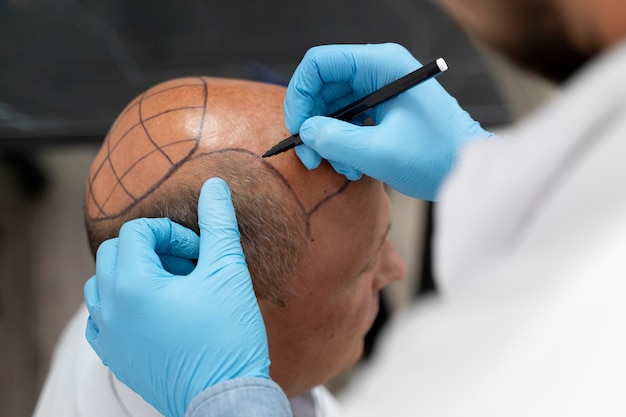
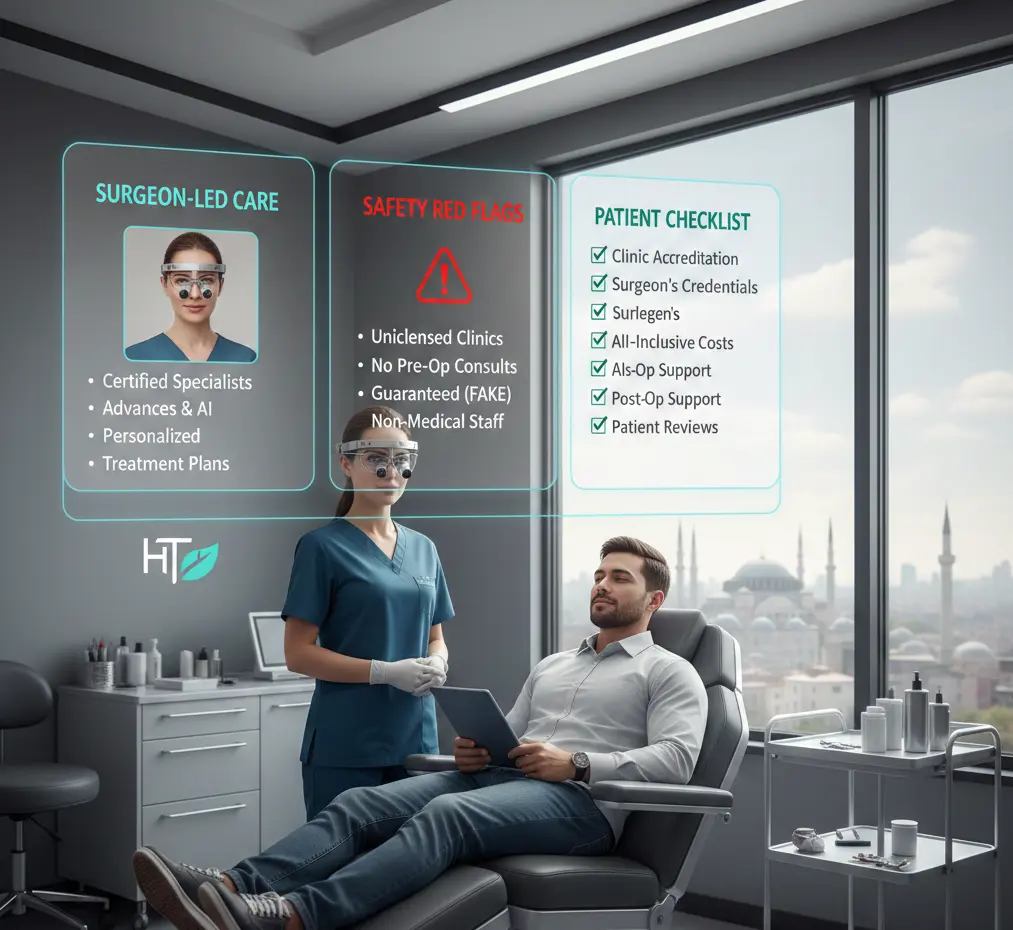
Hair transplantation is a surgical procedure. ISHRS has issued consumer alerts warning that in some clinics, unlicensed personnel perform critical surgical steps. A reputable clinic will clearly explain which steps are performed by the surgeon and how donor areas are managed.
Medical tourism risks and government warnings
Medical tourism can be safe, but it is not risk-free. UK government travel advice for Turkey includes a medical tourism section noting multiple deaths of British nationals following medical procedures in 2024.
The CDC warns of risks such as infection, exposure to drug-resistant organisms, and blood clots associated with surgery and long-distance travel.
How to vet a hair transplant clinic abroad
- Who is the lead surgeon, and what are their credentials?
- Is the clinic licensed and regulated?
- Which steps are performed by the surgeon vs technicians?
- How many procedures does the surgeon perform per day?
- How is graft survival tracked?
- What is the donor management strategy?
- What anesthesia is used and who monitors safety?
- What is the post-op follow-up process?
- How are complications handled after you return home?
Who is a good candidate and how to avoid overpromising
Hair transplantation works best when the donor area is strong and hair loss is relatively stable. Clinics that promise perfect results with no tradeoffs should be approached cautiously.
Results timeline and long-term maintenance
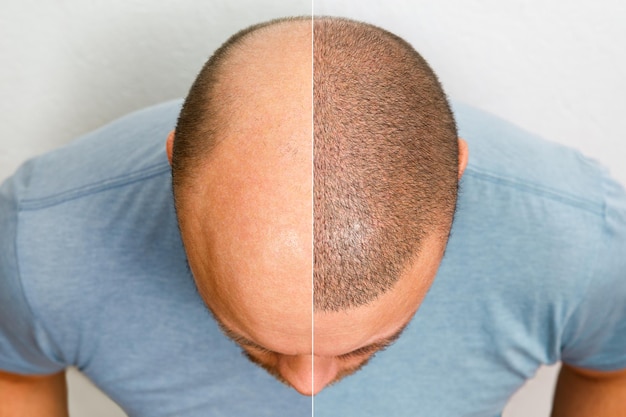
Transplanted hair typically sheds within weeks and regrows over several months. Final results can take up to 12 months. Many patients also require medical therapy to slow future loss.
Techniques and marketing terms to understand
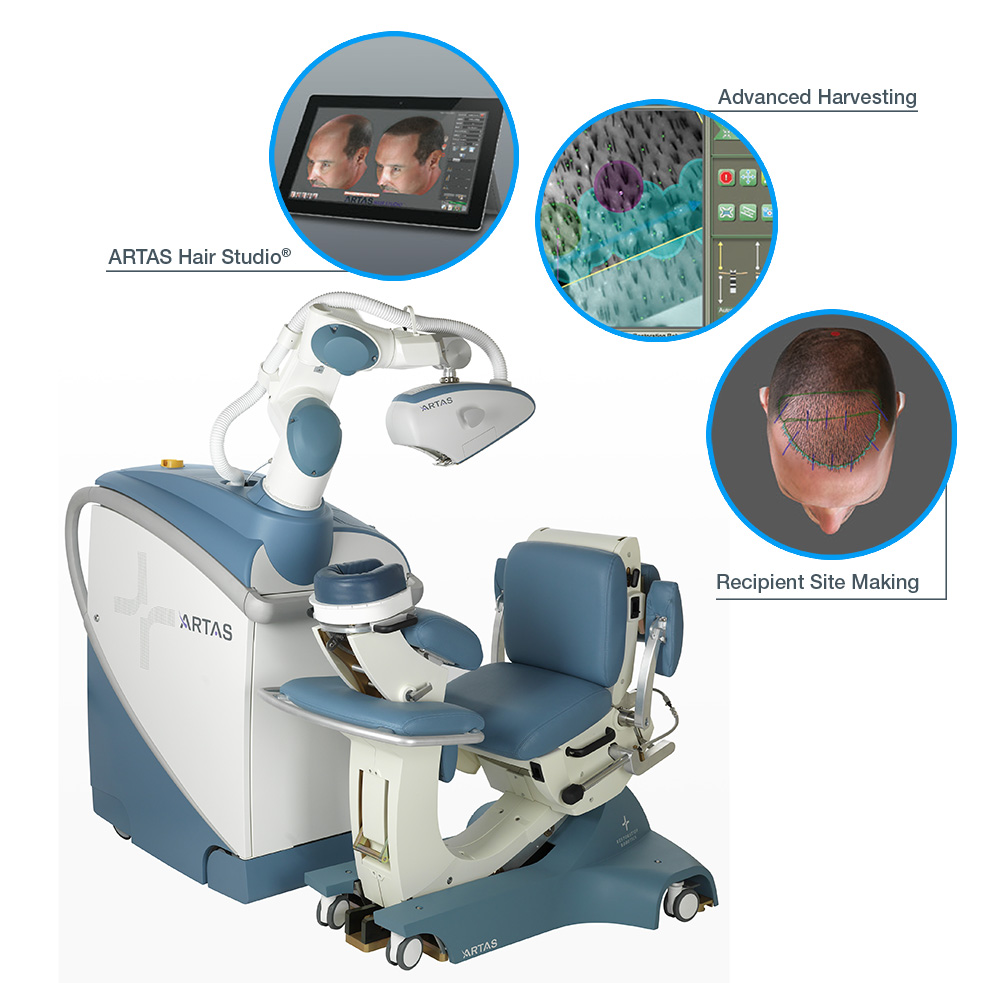
The two main techniques are FUE (follicular unit excision) and FUT (follicular unit transplantation). Tools like DHI or sapphire blades do not replace surgical judgment.
Red flags that should stop you
- The clinic refuses to name the surgeon
- You are pressured to pay immediately
- Success rates lack transparency
- Technicians perform surgical steps unsupervised
- No direct access to your surgeon after surgery
- Pricing is unusually low without detail
Travel timeline and aftercare planning
Allow time for pre-op consultation, surgery, and post-op review. Ask your surgeon how long to wait before flying and how blood clot risks are managed.
Cost vs value: what a safe package includes
A safe package includes surgeon time, anesthesia, sterile facilities, and structured follow-up. Value comes from predictable outcomes, not the lowest price.
FAQ
Is hair transplant surgery abroad safe?
It can be safe when performed by a licensed surgeon in a regulated clinic, but medical tourism carries added risks.
How can I verify a surgeon's credentials?
Ask for the surgeon’s full name, license number, and board certifications and verify them through national medical councils.
How many grafts do I need?
This depends on your hair loss pattern, donor density, and hair characteristics and must be assessed by a surgeon.
When can I fly after a hair transplant?
Follow your surgeon’s advice. Surgery combined with long-distance travel increases blood clot risk.
What should I do if complications occur?
Seek local medical care immediately and notify your clinic. A reputable provider will support follow-up care.