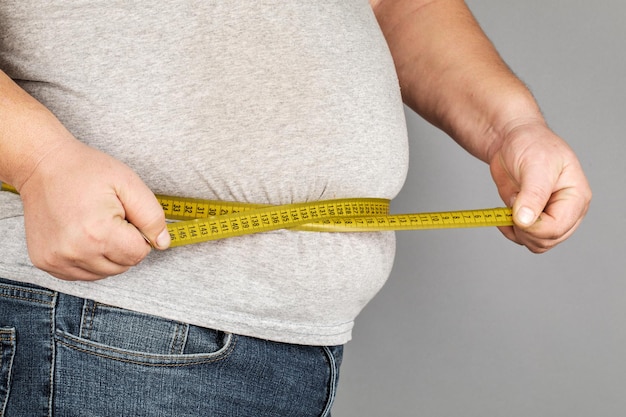

For millions of individuals, diet and exercise alone are simply not enough to achieve significant, long-lasting weight loss. When traditional methods fail, bariatric (weight loss) surgery emerges as a highly effective, life-saving medical intervention.
However, accessing bariatric surgery in countries like the United States, the UK, or Canada can be an arduous journey. Patients often face exorbitant out-of-pocket costs, strict insurance qualification criteria that can take years to navigate, or impossibly long waiting lists in public health systems. In response, a massive wave of patients is turning to health tourism. By 2026, traveling abroad for procedures like Gastric Sleeve or Gastric Bypass is not just a trend; it is a mainstream healthcare choice.
As Healtius, we guide patients through this transformative journey safely and effectively. In this article, we will explore why bariatric surgery tourism is booming, what the most common procedures entail, and why comprehensive post-operative aftercare is the true secret to long-term success.
Why Travel Abroad for Weight Loss Surgery?
The decision to travel abroad for major surgery is significant, but the motivations for bariatric patients are compelling:
1. The Cost Advantage Without Compromising Quality
In the US, a gastric sleeve surgery can easily exceed $20,000, and a gastric bypass can cost over $25,000 without insurance. In premier bariatric tourism destinations like Turkey, Mexico, or specific Eastern European countries, these same surgeries are performed for $4,000 to $7,000.
This dramatic price reduction is not due to inferior care. Top-tier international hospitals are often JCI-accredited, use the exact same FDA-approved surgical staplers (like Medtronic or Ethicon), and are staffed by surgeons who perform hundreds of these procedures annually. The savings stem from lower domestic operating costs and favorable currency exchange rates.
2. Bypassing the Waiting Game
In public healthcare systems like the UK's NHS or Canada's Medicare, the waiting list for bariatric surgery can range from two to five years. For a patient suffering from severe sleep apnea, uncontrolled diabetes, or debilitating joint pain due to obesity, waiting five years is dangerous. Bariatric tourism allows patients to schedule their surgery within weeks, taking immediate control of their health.
3. All-Inclusive VIP Packages
Reputable health tourism platforms like Healtius offer all-inclusive packages that remove the stress of travel. These packages typically cover the surgery, hospital stay, hotel accommodation for recovery, VIP airport transfers, pre-operative tests (endoscopy, EKG, blood work), and bilingual patient coordinators. This allows the patient to focus entirely on their surgery and recovery.
Understanding the Procedures: Sleeve vs. Bypass
While there are several types of bariatric surgeries, two procedures dominate the international market due to their proven safety and efficacy profiles:
The Gastric Sleeve (Sleeve Gastrectomy)
This is currently the most popular bariatric procedure worldwide. The surgeon removes approximately 80% of the stomach, leaving a narrow, tube-like pouch (resembling a banana).
- How it works: It physically restricts the amount of food the stomach can hold. More importantly, it removes the portion of the stomach that produces "ghrelin," the hormone responsible for stimulating hunger. Patients feel full very quickly and experience a significant decrease in appetite.
- Best for: Patients with a BMI over 35 who do not suffer from severe acid reflux.
The Gastric Bypass (Roux-en-Y)
Considered the "gold standard" of weight loss surgery, this procedure involves creating a small pouch at the top of the stomach and connecting it directly to the small intestine.
- How it works: It acts in two ways: Restriction (the small pouch holds less food) and Malabsorption (food bypasses a large portion of the stomach and the first part of the small intestine, meaning the body absorbs fewer calories and nutrients).
- Best for: Patients with a very high BMI, severe type 2 diabetes, or chronic acid reflux (GERD).
Both procedures are almost exclusively performed laparoscopically (through small keyhole incisions), ensuring a faster recovery time, less pain, and minimal scarring.
The Critical Missing Link: Post-Operative Aftercare
A common misconception is that bariatric surgery is a "magic pill." You have the surgery, and you wake up thin. The reality is quite different. The surgery is simply a highly effective *tool*. How you use that tool determines your long-term success.
The biggest risk in bariatric tourism is not the surgery itself—it's what happens when the patient returns home. Without proper guidance, patients can easily fall back into old eating habits, stretch their new stomach pouch, or suffer from severe nutritional deficiencies. This is where Healtius revolutionizes the bariatric tourism experience.
1. Nutritional Reprogramming
After surgery, your stomach needs time to heal. Patients must follow a strict phased diet: clear liquids, full liquids, pureed foods, soft foods, and finally, regular solid foods over several weeks. Healtius connects patients with specialized bariatric dietitians who monitor this transition remotely, ensuring patients are getting enough protein and staying hydrated without overwhelming their new stomach.
2. Managing Nutritional Deficiencies
Because you are eating significantly less (and in the case of a bypass, absorbing less), you cannot get all the necessary vitamins and minerals from food alone. Bariatric patients must take specific, high-dose multivitamins, calcium, iron, and B12 for the rest of their lives. A lack of post-operative follow-up can lead to hair loss, osteoporosis, or severe anemia. We ensure our patients understand their supplement protocol and schedule regular blood tests back home to be reviewed by their surgical team digitally.
3. Psychological Support
Obesity is heavily linked to emotional eating and psychological factors. Rapid weight loss can also cause sudden hormonal shifts and body image issues. Long-term success requires addressing the mind as well as the body. Access to psychological support or bariatric support groups is a crucial part of a comprehensive aftercare plan.
The Healtius Commitment to Your Journey
Choosing to undergo bariatric surgery abroad is a brave step toward reclaiming your life. At Healtius, we believe that your journey does not end when you board the plane to go home; in fact, that is exactly when the real work begins.
We partner only with elite Bariatric Centers of Excellence that mandate rigorous pre-operative psychological and physical evaluations. More importantly, our digital platform ensures that you are never left alone after the surgery. Through our app, you remain connected to your surgeon and dietitian for months and even years following your procedure. You can track your weight loss, ask questions about your diet, and receive immediate professional guidance from the comfort of your home.
Bariatric surgery is a rebirth. Let Healtius provide the safe, structured, and supportive environment you need to ensure this transformation lasts a lifetime.