In the past, the process for a patient who wanted to be treated abroad was a complete black box from buying a plane ticket to being physically examined at the clinic. However, as of 2026, pioneered by visionary digital health tourism platforms like Healtius, the patient journey begins in a completely digital environment before the patient even leaves their home. In this article, we will examine how artificial intelligence and telemedicine technologies are reshaping health tourism and perfecting pre-treatment processes for patients seeking treatment abroad.
Telemedicine: Healthcare Communication That Eliminates Borders
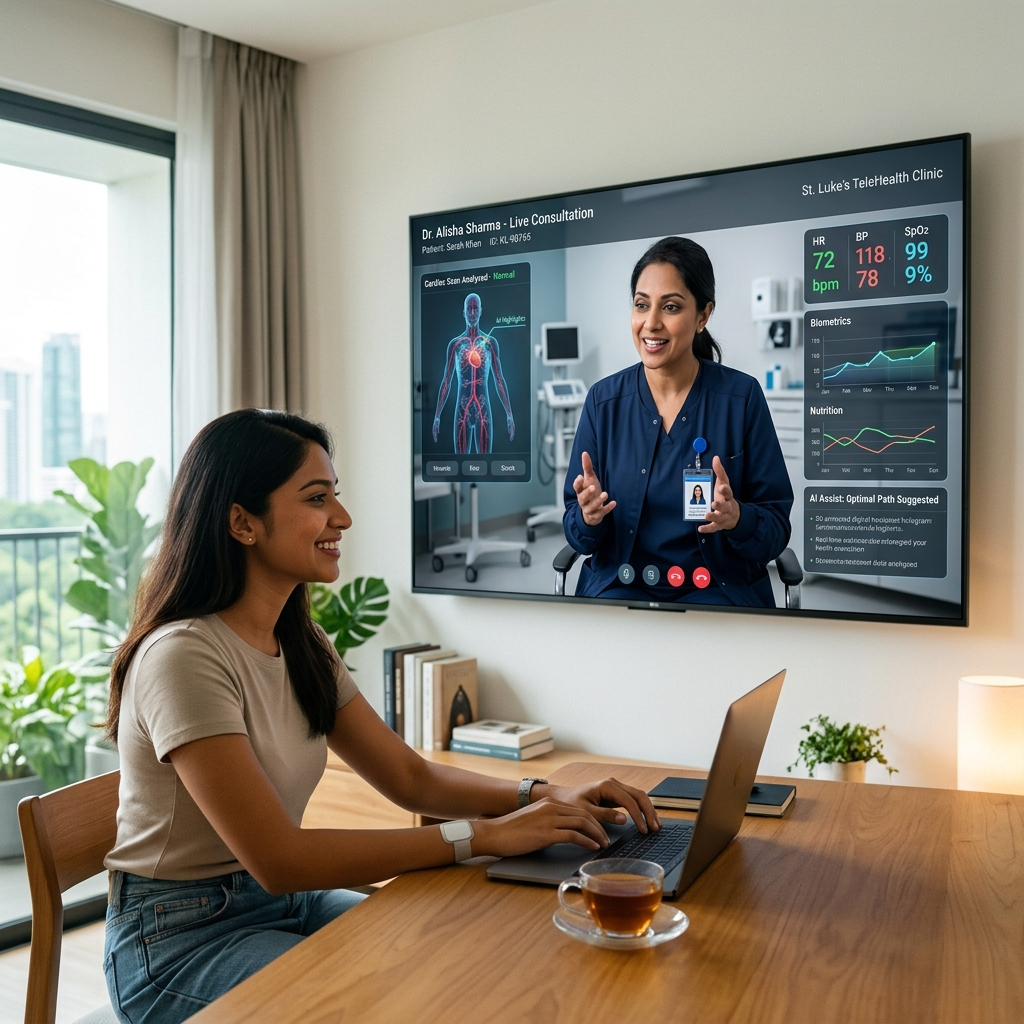
Telemedicine, in its most basic definition, is the remote delivery of healthcare services using telecommunication technologies. In the context of health tourism, telemedicine means that while the patient is in their home country, they can have high-resolution video calls with specialist doctors in the country they plan to be treated in, safely share their test results, and create their treatment plan in advance.
Advantages of Telemedicine for Health Tourism
- Pre-Physical Travel Certainty: In the traditional method, patients sometimes had to travel abroad just for a preliminary examination or tests, and when deemed unsuitable, they returned losing time and money. Thanks to telemedicine, the patient shares their MRI, X-ray, or blood test results with their doctor beforehand. During the online consultation, the doctor evaluates this data and clarifies whether the patient is suitable for the operation.
- Building Trust: The patient sees the face of the physician who will perform their surgery, hears their voice, and asks their questions directly. This "first contact" is invaluable for the patient to relax psychologically and feel trust in their physician.
- Ease of Getting a Second Opinion: Patients can get a "second opinion" about a diagnosis made in their own country from a professor on the other side of the world in seconds, without incurring flight expenses.
- Cost and Time Savings: Because travel only occurs when a final treatment decision is made, the patient's accommodation and transportation costs are optimized.
Artificial Intelligence: The "Invisible Brain" of Health Tourism
Artificial intelligence (AI) is no longer just a "marketing" term in health tourism; it has transformed into an operational force taking an active role in every stage of the process. From the first moment a prospective patient logs into the platform until the day they are discharged and return to their country, AI technologies are at work.
1. Smart Symptom Analysis and Triage
Advanced platforms like Healtius use AI-supported chatbots and symptom analysis tools. When the patient enters their complaints or the procedure they want into the system, the AI algorithm analyzes this data and directs the patient to the most appropriate medical unit and even to the physician with the highest success rate. This reduces time losses and errors caused by manual referrals to zero.
2. Personalized Treatment and Travel Planning
Health tourism is not just about surgery; it is a massive logistical operation encompassing visa processes, flight tickets, hotel reservations, VIP transfers, and hospitalization processes. AI evaluates hundreds of different combinations in seconds based on the patient's budget, medical needs, companion status, and even personal preferences (e.g., vegan diet, sea-view hotel) to create the most optimized "Health Travel Package".
3. Instant Translation Systems Overcoming the Language Barrier
One of the biggest fears of treatment abroad is not being able to explain one's problem to the doctor correctly. AI-supported medical translation systems provide instant, simultaneous translation during telemedicine calls, eliminating the language barrier between doctor and patient. Moreover, unlike standard translation programs, these systems master "medical terminology," flawlessly distinguishing the vital difference between "palpitations" and a "heart attack".
4. Image Processing and Pre-Diagnosis
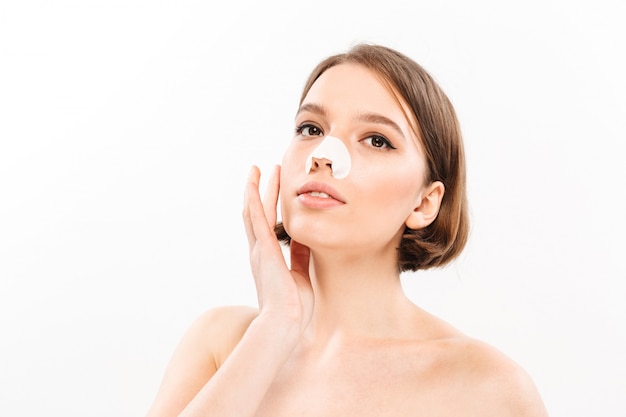
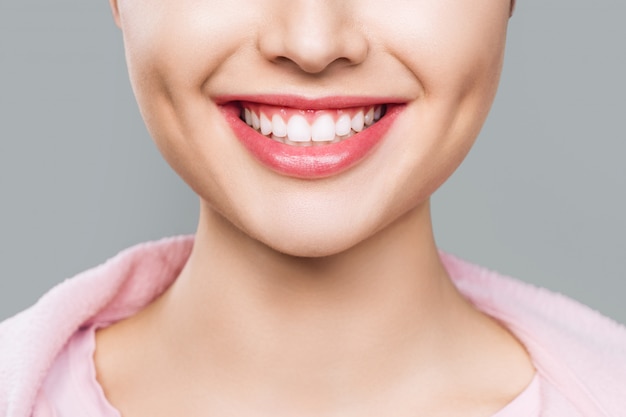
Especially in areas where visual data is important, such as aesthetic surgery, dental treatments, or dermatology, AI works miracles. When the patient uploads photos of their teeth or face to the system, AI algorithms can process these images (e.g., smile design simulation or likely post-rhinoplasty appearance) to show the patient the post-treatment result in advance. Similarly, using AI in the preliminary analysis of radiological images offers physicians the opportunity to create a faster and more accurate treatment plan.
The Digital Health Tourism Experience with Healtius
The Healtius platform is reinventing health tourism by centering on telemedicine and artificial intelligence technologies. In our approach, the patient does not embark on a journey full of unknowns. On the contrary, they are the protagonist of a process where every step is planned in advance, digitally simulated, and managed with transparency.
- Virtual Hospital Tours: Before their trip, our patients can digitally tour the hospital where they will be treated, the room they will stay in, and even the operating room via virtual reality (VR) or 360-degree videos.
- 24/7 Digital Assistant: The AI-supported Healtius Assistant instantly reminds the patient in their own language of the entire process, from their visa application to the flight time, from their fasting status to their medication times.
- Secure Data Sharing: All medical records, tests, and telemedicine consultation records are stored in the Healtius Digital Health Wallet, protected by blockchain or high-level encryption methods. The patient knows their data is safe.
Digital Follow-up in the Post-Treatment (Post-Operative) Process
The power of digitalization shows itself not only before the treatment but also in the recovery (aftercare) process after the patient returns to their country. Thanks to AI-supported mobile applications and wearable technologies (smartwatches, etc.), the patient's vital signs such as pulse, blood pressure, and temperature can be monitored remotely.
If any anomaly is detected, the system automatically alerts both the patient and the doctor abroad who performed the procedure. Through regular telemedicine calls, the patient's stitches, wound healing, and general condition are checked via camera. This completely eliminates the "surgery is over, our job is done" mentality in cross-border healthcare and turns it into a lifelong health partnership.
Conclusion
The year 2026 is the golden age of digitalization in health tourism. While artificial intelligence and telemedicine technologies reduce distances of thousands of miles to a screen away, they elevate patient safety, transparency, and treatment success higher than ever before.
For patients seeking treatment abroad, the question "What will I face when I go?" is now history. Thanks to digital platforms like Healtius, patients can plan every second of their treatment from the comfort of their homes in their own countries and build a bond of trust with their doctors long before they travel. In this new era where technology blends with compassion and medical expertise, accessing the best healthcare in the world is as easy and safe as touching your smartphone in your pocket.
Sanal Hastane Turları: Hastalarımız seyahatleri öncesinde tedavi görecekleri hastaneyi, kalacakları odayı ve hatta ameliyathaneyi sanal gerçeklik (VR) veya 360 derecelik videolar aracılığıyla dijital olarak gezebilmektedir.